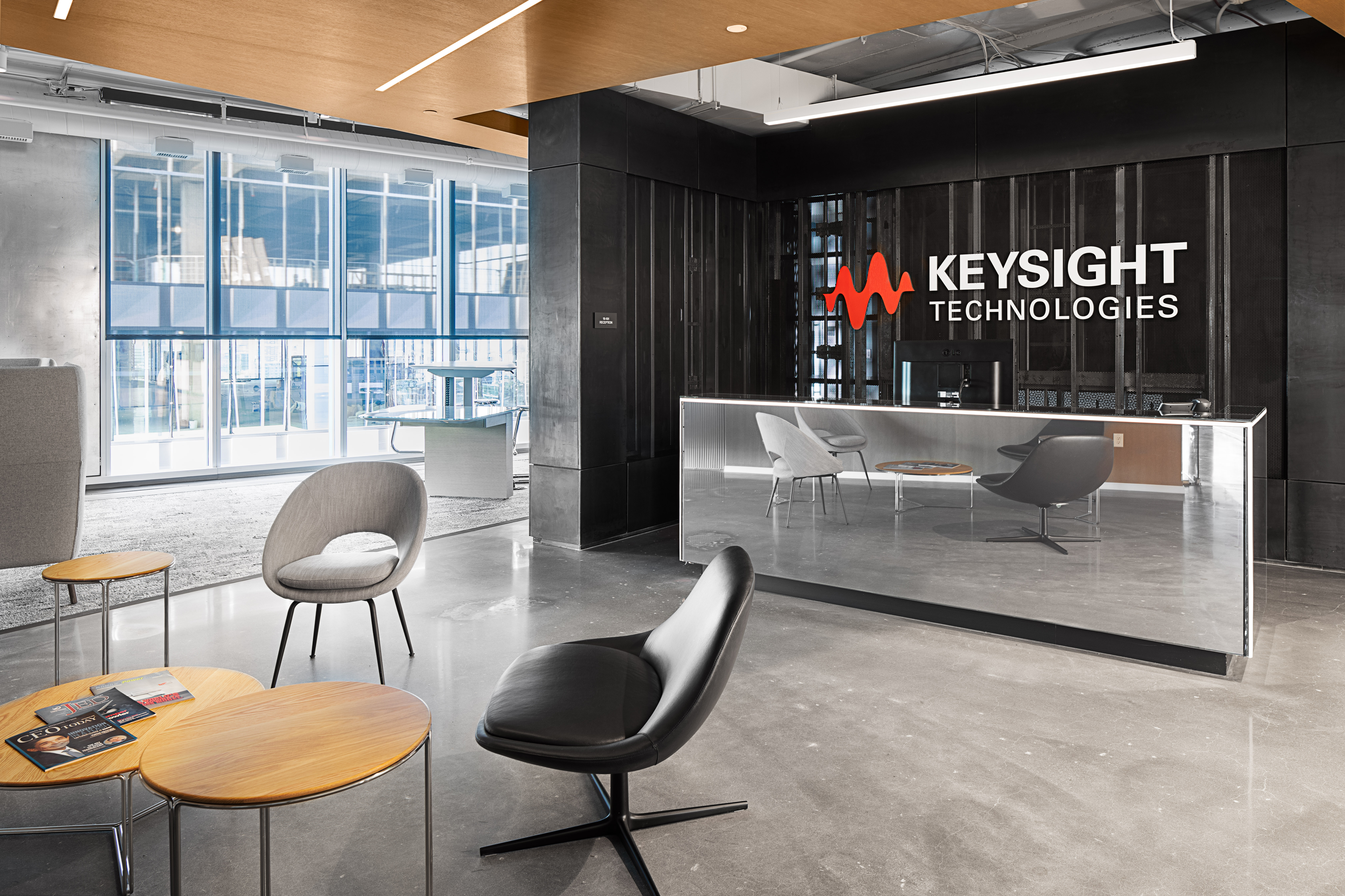
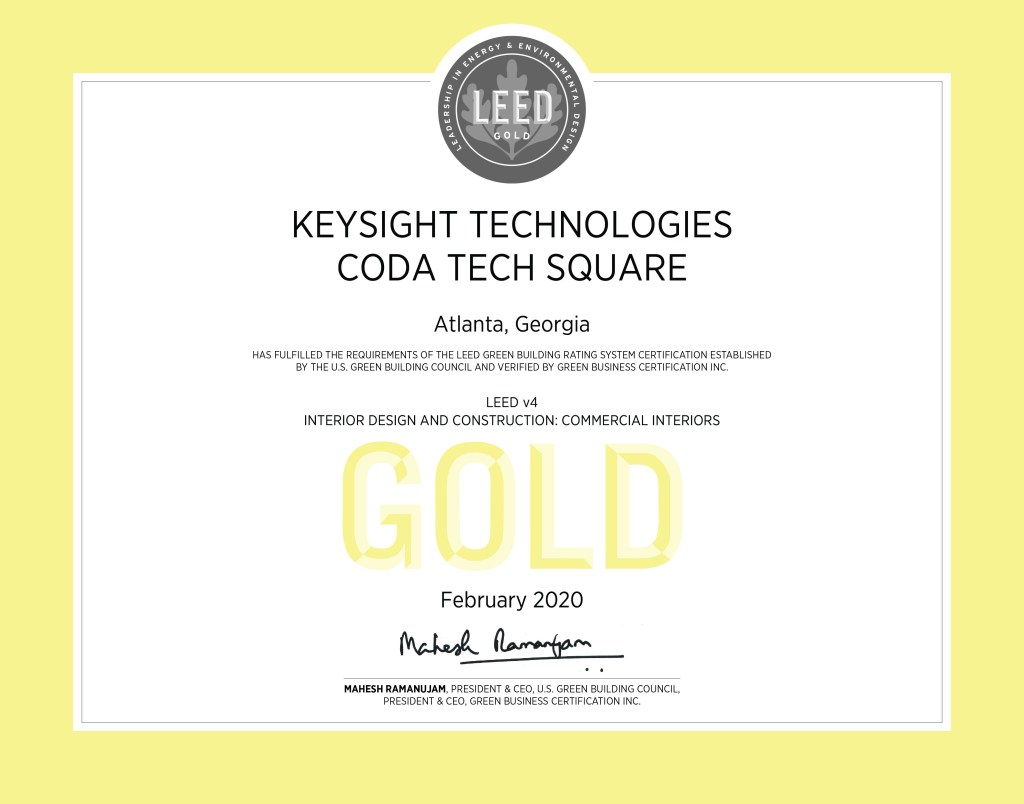
While working on this project throughout 2019, I especially enjoyed the novelty of both an ID+C project and a return to documenting design credits. As I continue to write about more of my current projects, you’ll see that a huge percentage of them are supporting construction teams. For many years, this resulted in a narrower focus on a smaller group of LEED credits. The first several dozen LEED projects at SHP that I worked on, the total opposite was true. I spent most of my efforts documenting design credits and only would document the construction credits out of necessity to keep projects moving towards certification. Although my LEED experience in previous versions is extensive, the Keysight Technologies office my first v4 journey and certification. Merely a year later, and I’m deeply immersed in nearly two dozen!
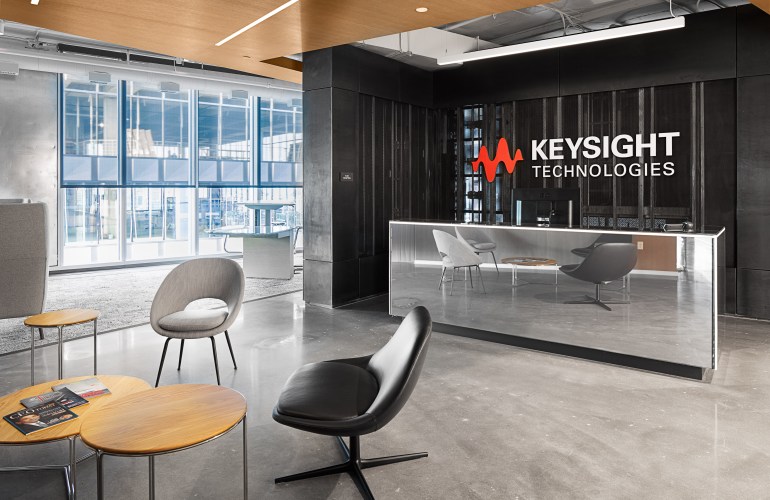
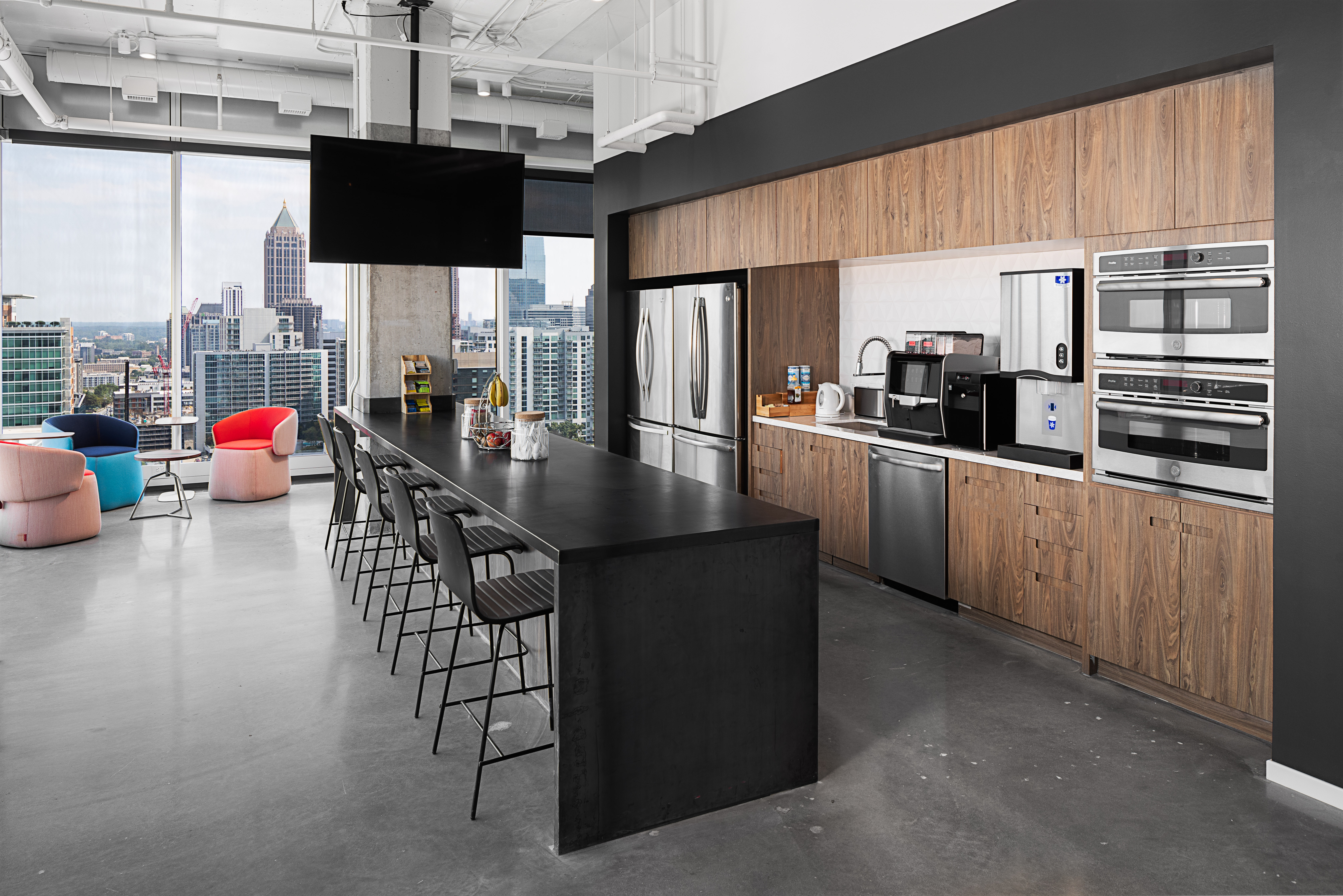
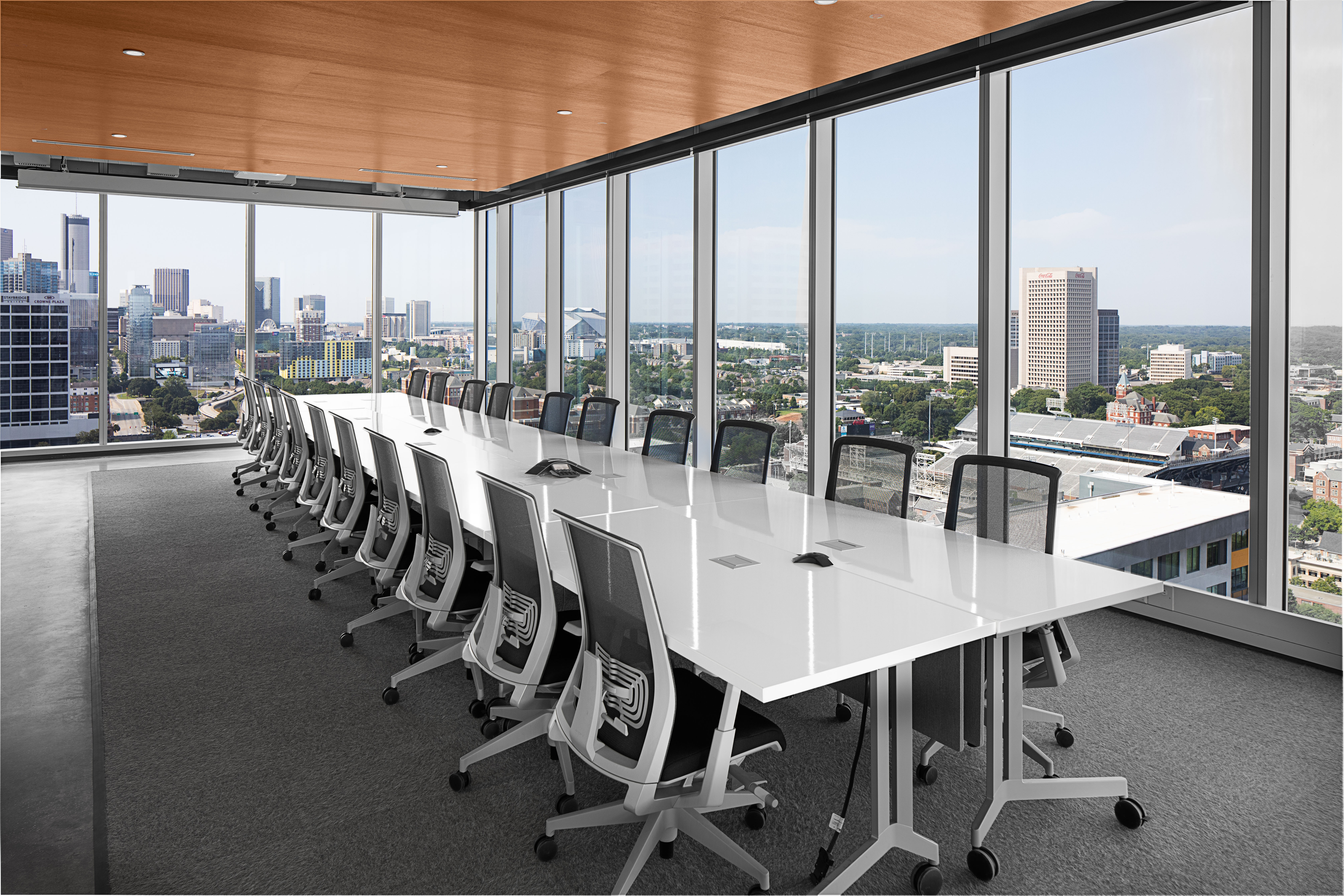
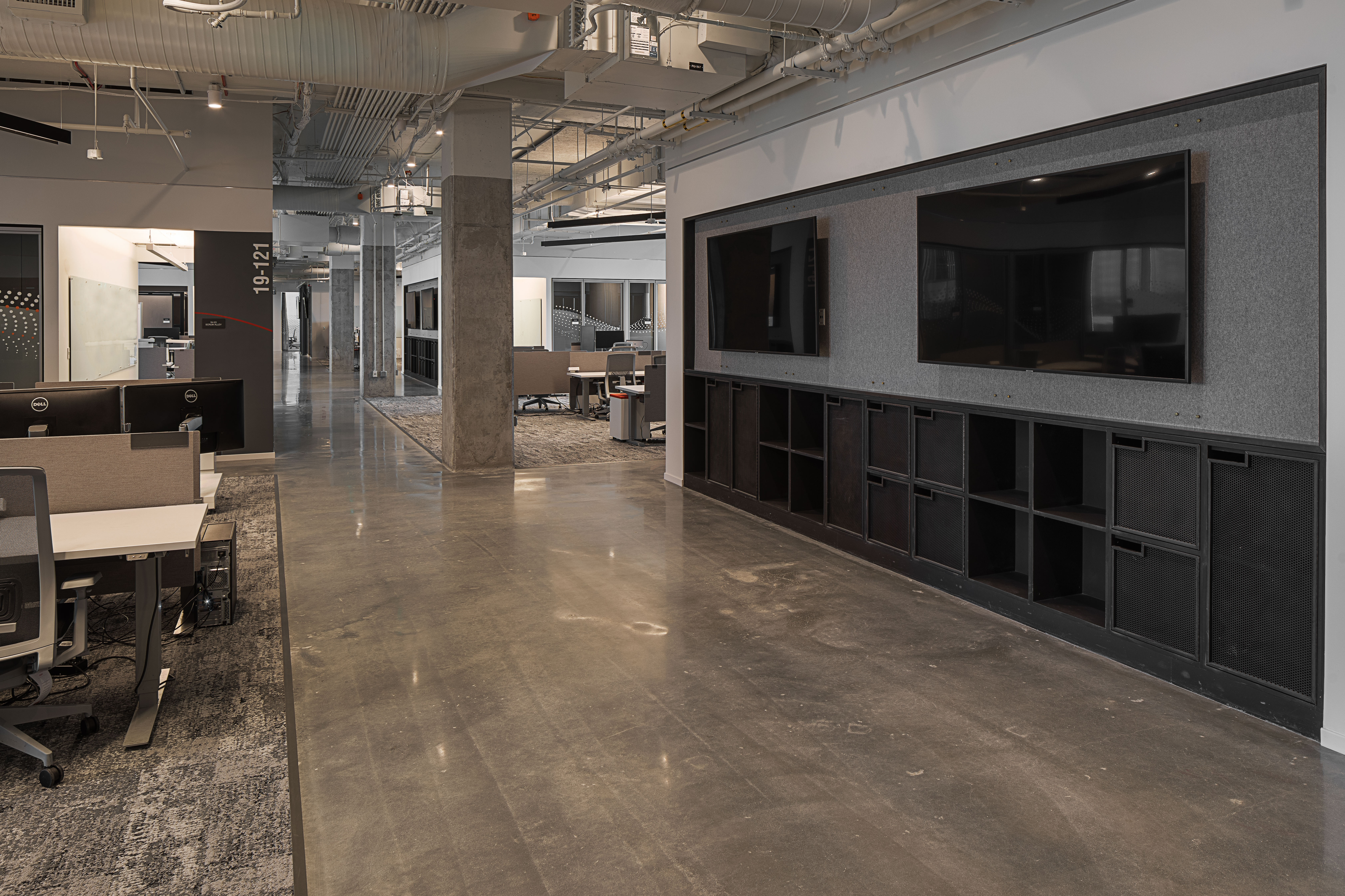
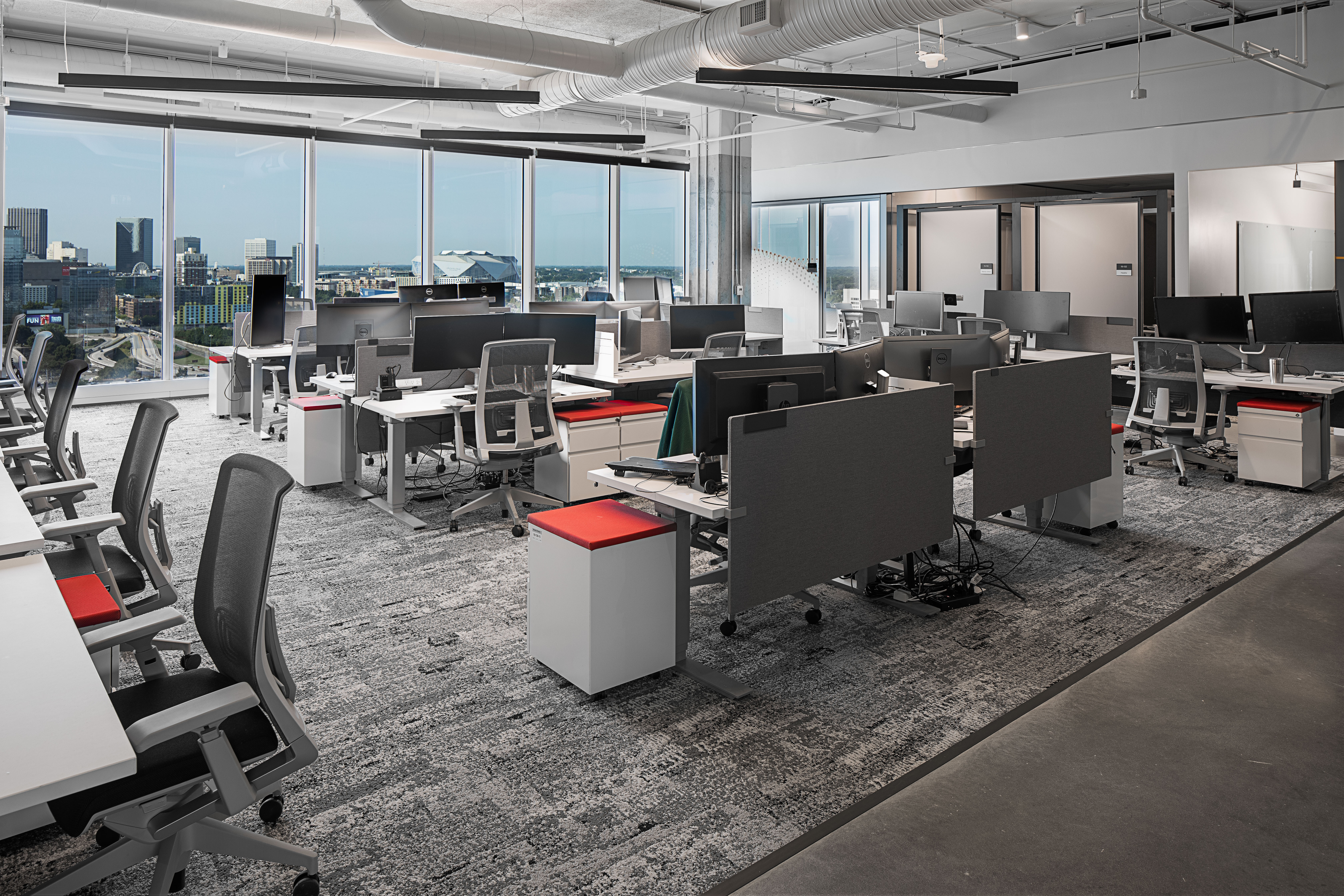
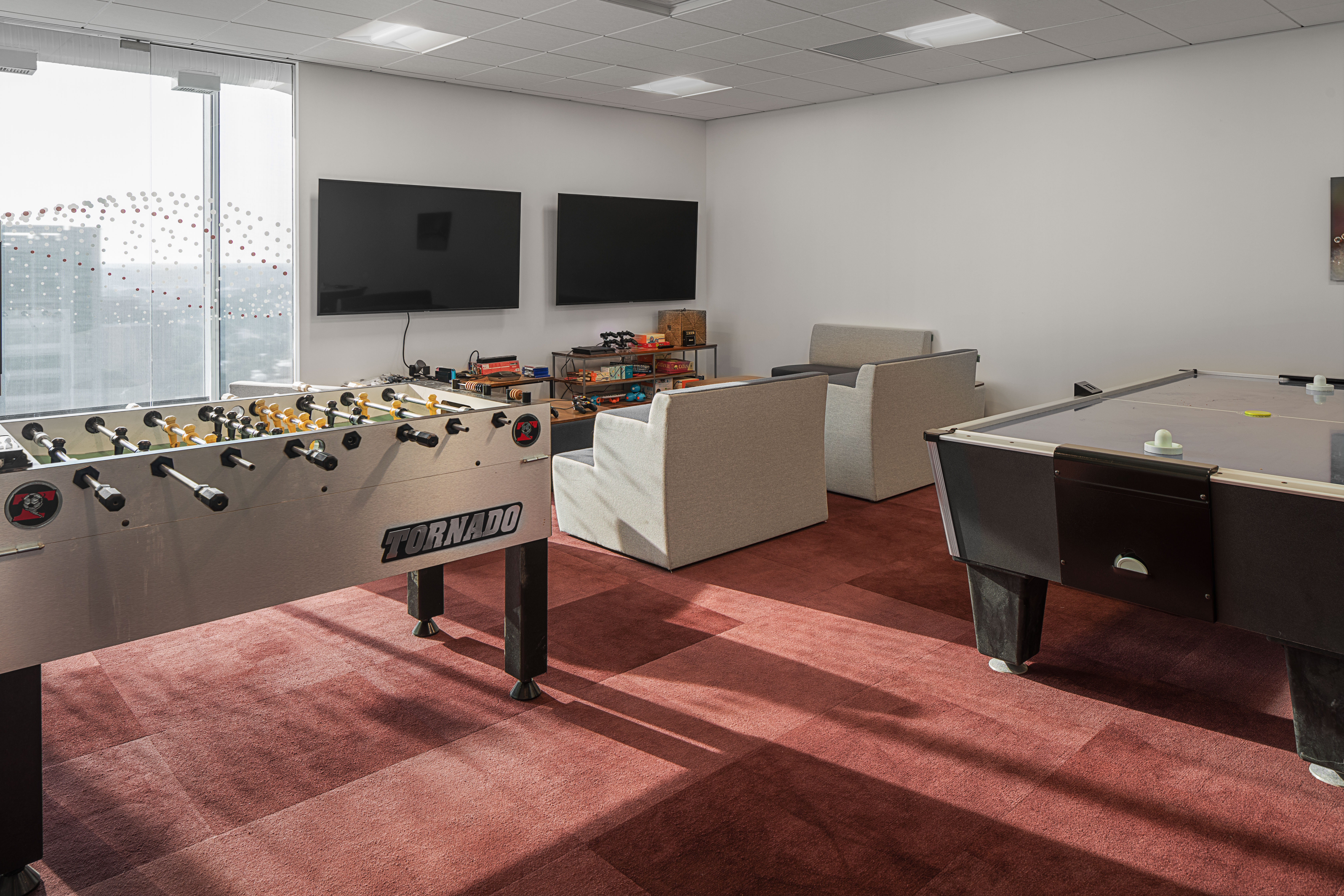
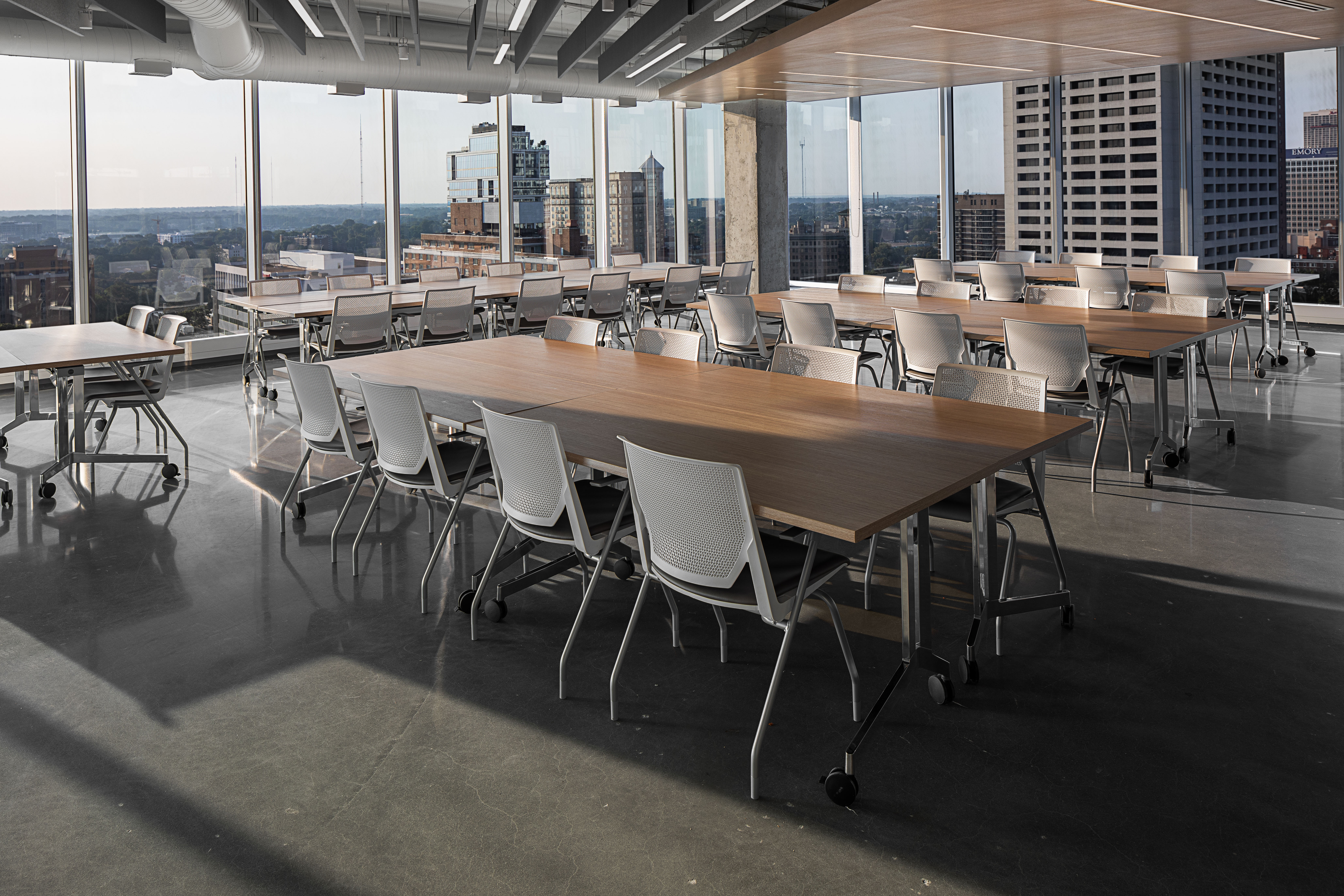
Keysight Technologies chose a particularly interesting building as the home for their new office, the Coda at Tech Square facility in midtown Atlanta, Georgia. This brand new 21-story, 690,000 square foot mid-rise certainly made sustainable design a high priority, setting and meeting an ambitious target of LEED Platinum (v3).
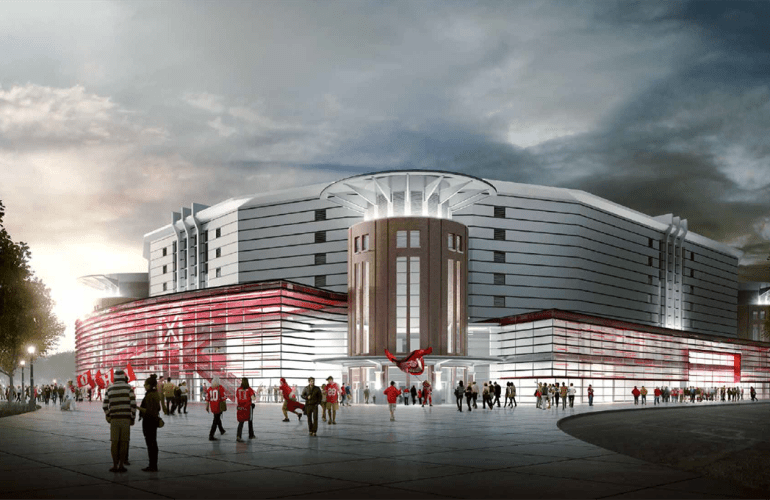
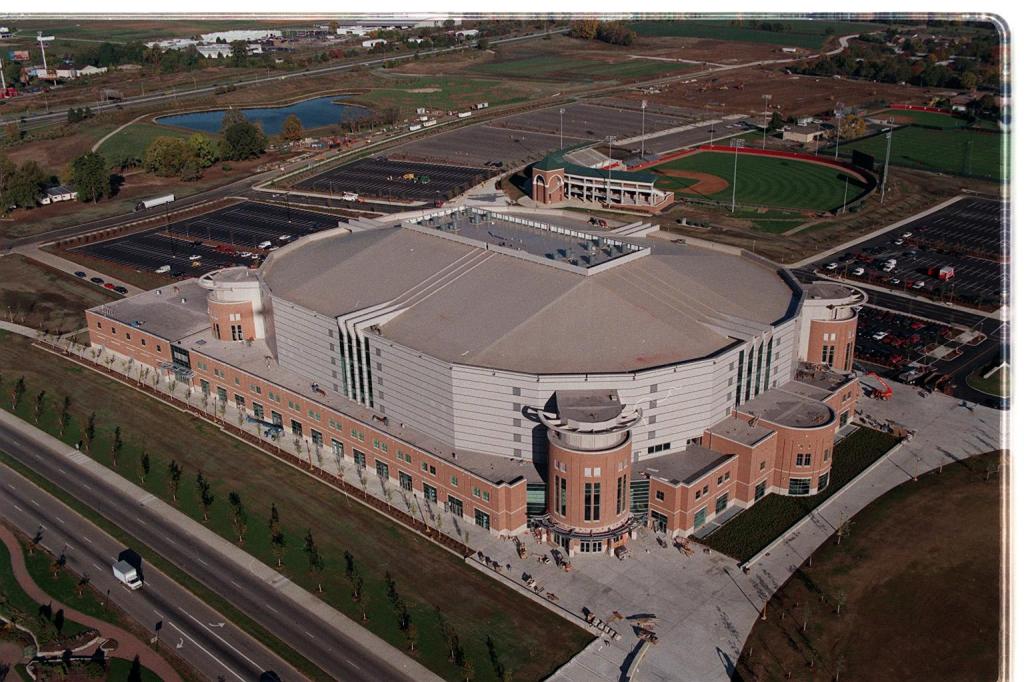
Just in time for the start of basketball season, I’m excited to announce another of my projects achieving LEED Silver certification! This project, the North Addition to the Schottenstein Center at The Ohio State University, is particularly exciting for me as a Columbus native and former OSU student. The Schottenstein Center achieved LEED Silver under LEED BD+C New Construction 2009. This is an EA Energy Solutions project where I supported both the architect, NBBJ, and the construction manager, Barton Malow Company, both of whom were great to work with. Kudos also to Osborn Engineering, who did a wonderful job successfully documenting LEED credits that had unique applications in this particular project, a relatively small addition to a large existing facility.
The Schottenstein Center hosts home games for The Ohio State University men’s & women’s basketball programs, in addition to a multitude of other events, from Disney’s Frozen on Ice, concerts, and monster truck rallies. The addition will serve as new offices for both the Ohio State University basketball teams, as well as an upgraded ticket office, team shop, and concessions areas designed to enhance the fan experience. Major upgrades were made to the concourses as well, but for purposes of LEED certification, those improvements are not included within the LEED boundary. The new facilities received both rave reviews and national attention, as demonstrated here by USA Today. You can get a glimpse of the finished facility as seen in this university video:
Besides the impressive aesthetics, the addition was able to achieve an indoor water use reduction of over 40% and an energy use reduction of over 24%. The water calculation process was especially interesting because one of the primary group restrooms used for events did fall within our LEED boundary, and event usage had to be accounted for. Annual attendance for a wide variety of event types had to be calculated, but the talented individuals at Osborn nailed it, and the credit/prerequisite combo documentation held up very well during review by GBCI. I’m a strong believer that these highly efficient plumbing fixtures are more crucial here than many other places with similarly efficient fixtures, simply because of the large number of people that will use them. This will ultimately result in a dramatic number of gallons saved, both right away and over the life of the building.
On the construction side, Barton Malow and their subcontractors did a great job utilizing recycled content and regional materials. We documented a minimum of 22.45% (by cost) of the construction materials were manufactured from recycled content and 41.27% (by cost) were manufactured regionally. They also satisfied all LEED requirements for low-emitting adhesives, sealants, paints, coatings, flooring, and composite wood. Finally, they were able to achieve an 82% diversion rate for construction waste. This great outcome is further enhanced by Ohio State’s famous long-standing commitment to minimizing waste at events throughout the life cycle of the facility.
Congratulations to Ohio State University and the entire project team, both design and construction, on a job well done. This is certainly a LEED project I will always remember fondly and will remain proud to be a part of!


 Adventures in Green Building