The Fairborn Experiment: Claiming Easy BPDO Points on LEED v2009 Projects

Ohio leads the entire planet in green K-12 schools projects and has for many years. This leadership stems from Ohio Facilities Construction Commission policy of mandating LEED Silver on projects co-funded by the agency. This policy was adopted in 2007 and has since achieved 353 (as of May 2020) LEED certified schools and counting, touching nearly every area of Ohio. In 2016, OFCC leaders foresaw a potentially rocky transition from LEED for Schools v2009 to v4 (and now v4.1). Specifically, this is due to the added emphasis in v4 on site attributes most commonly associated with urban settings (more on this topic to come in future posts). The vast majority of Ohio facilities are built in rural school districts with no hope for access to transit, development density, or diverse uses. In anticipation of these challenges, OFCC pre-registered dozens of future projects in LEED v2009. As a result, Ohio in particular still has a multitude of active legacy LEED projects in an era where v4 & v4.1 are the norm almost everywhere else and has been for some time. Most of these legacy v2009 projects have already completed construction or will by the end of 2021. The project in this example, Fairborn PK-2, is wrapping up construction in early summer 2020.
Ohio’s Planet-Leading Green Schools Program Recognized by USGBC CEO Mahesh Ramanujam

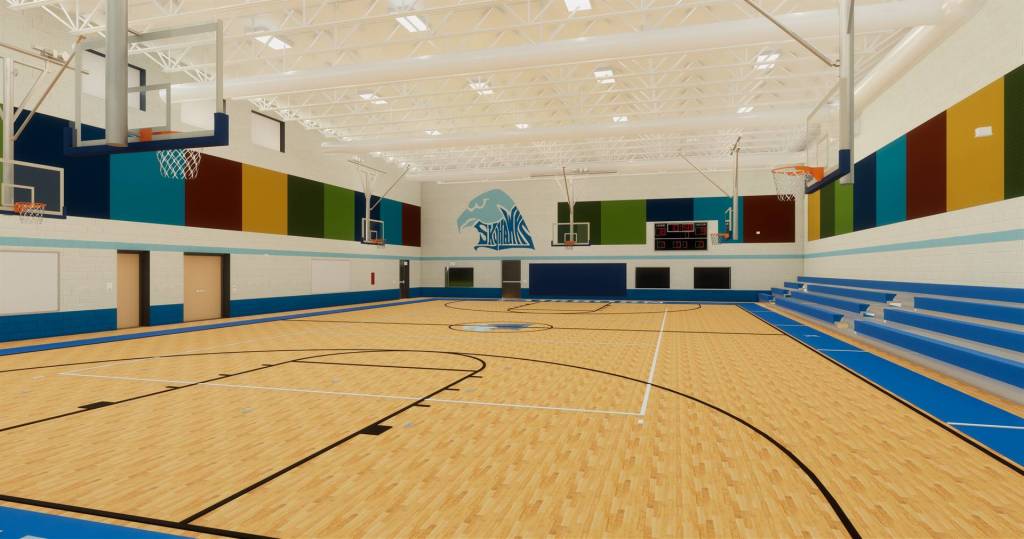
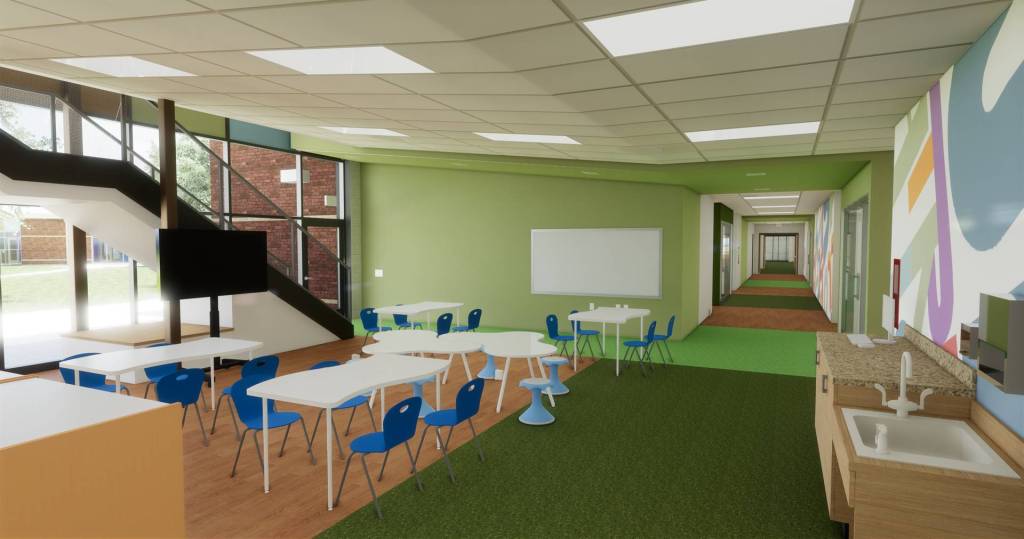
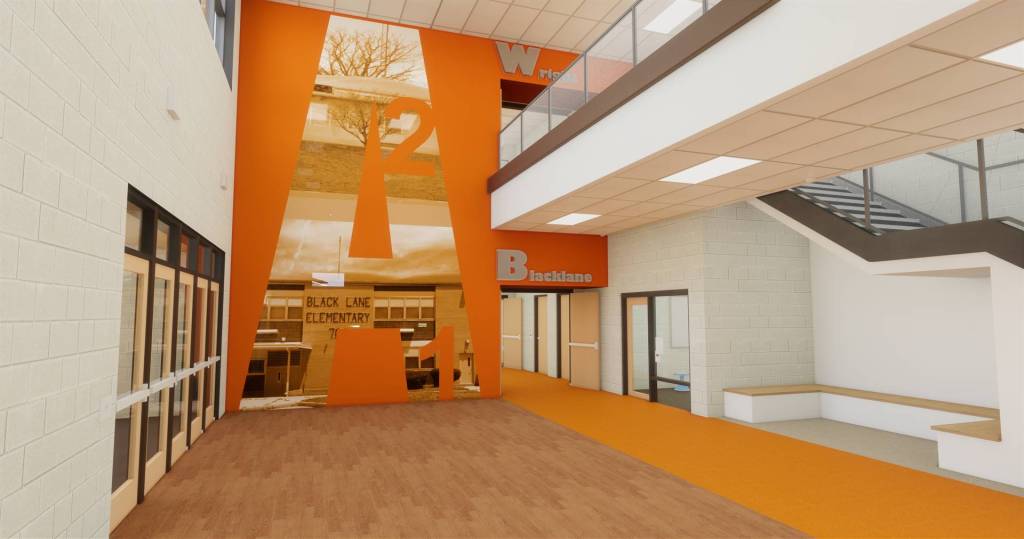
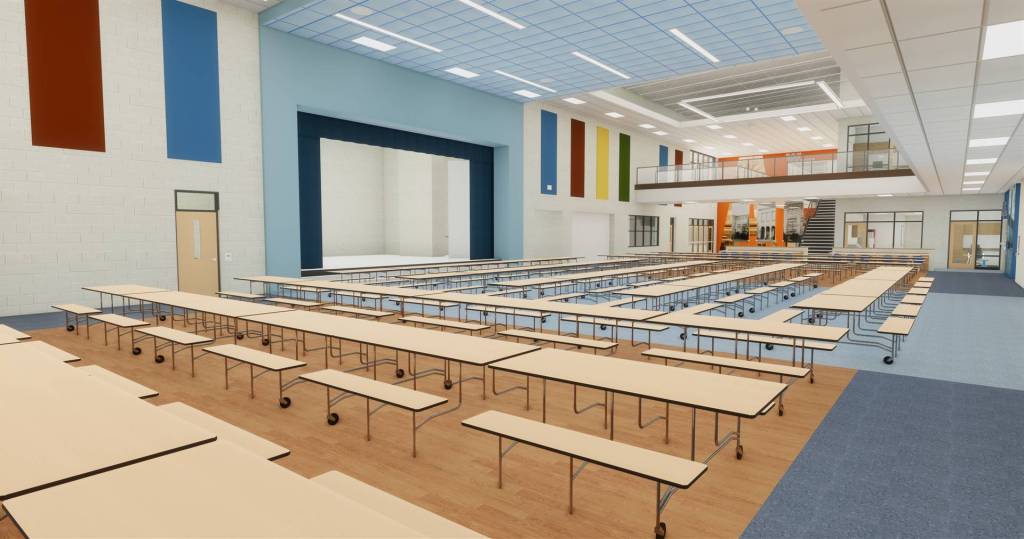
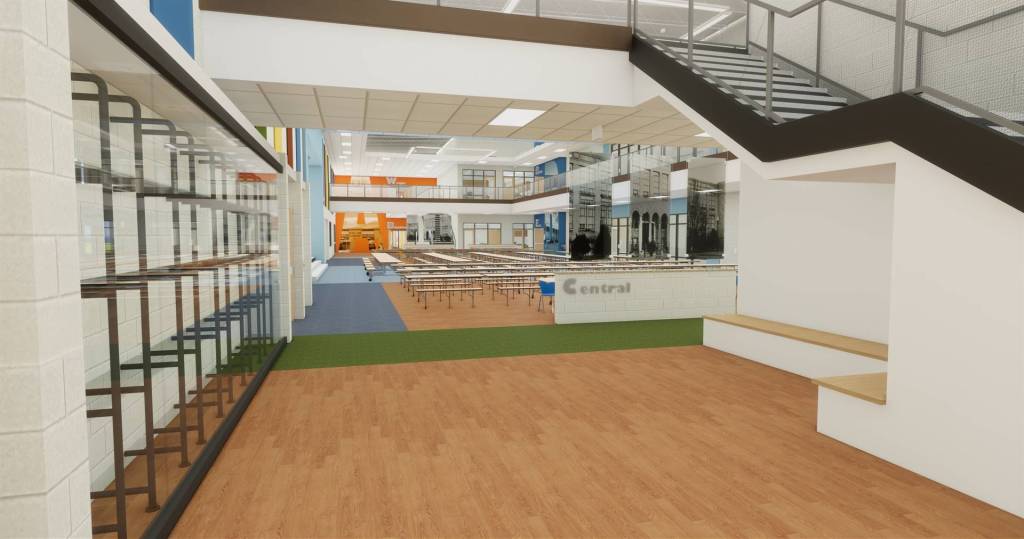
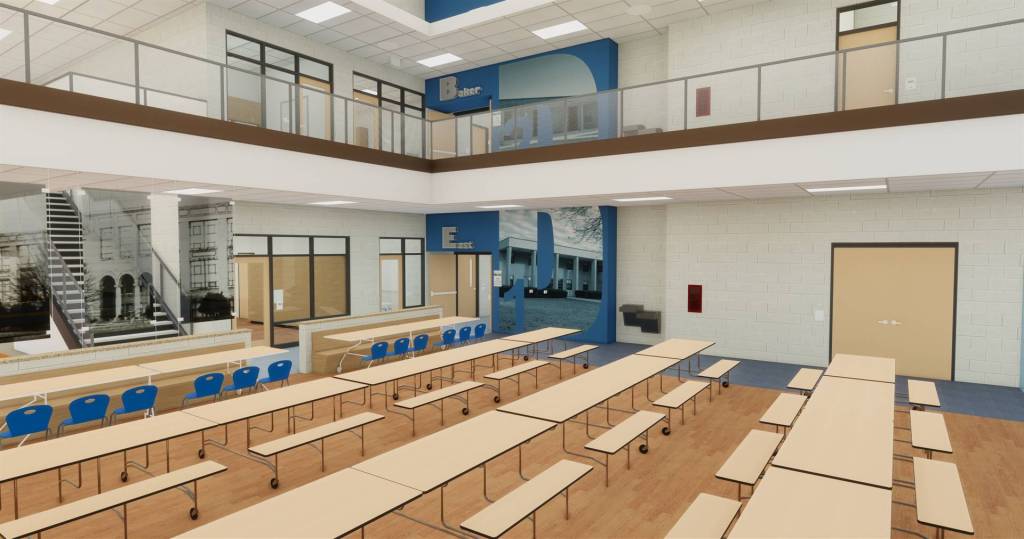
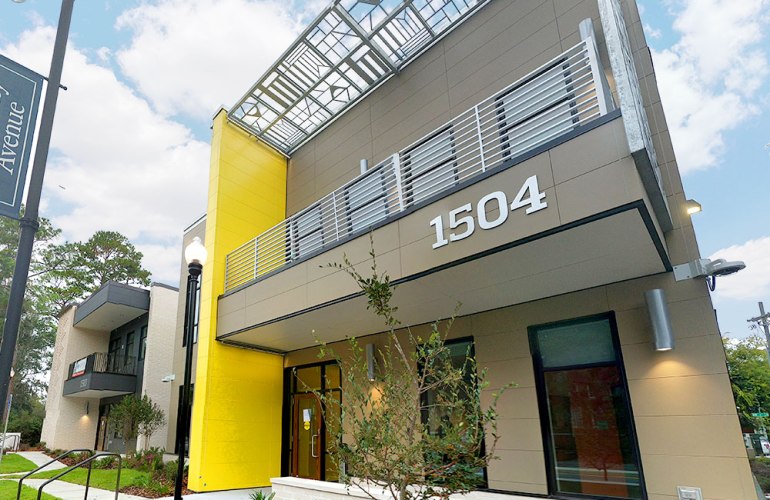
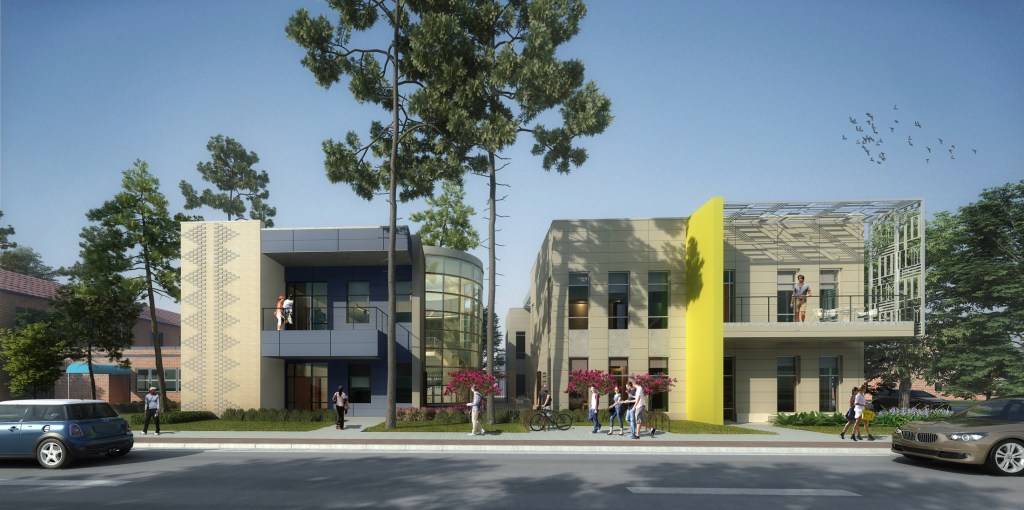
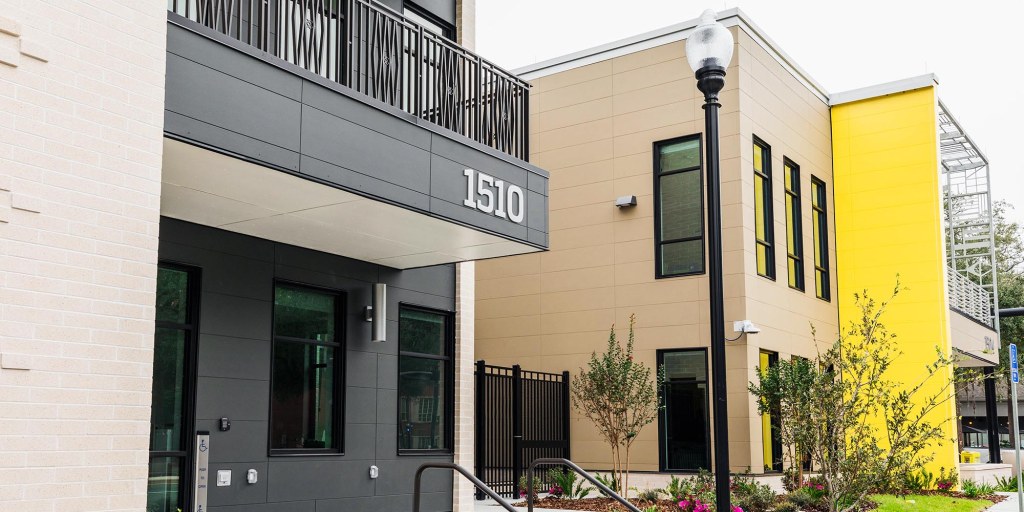
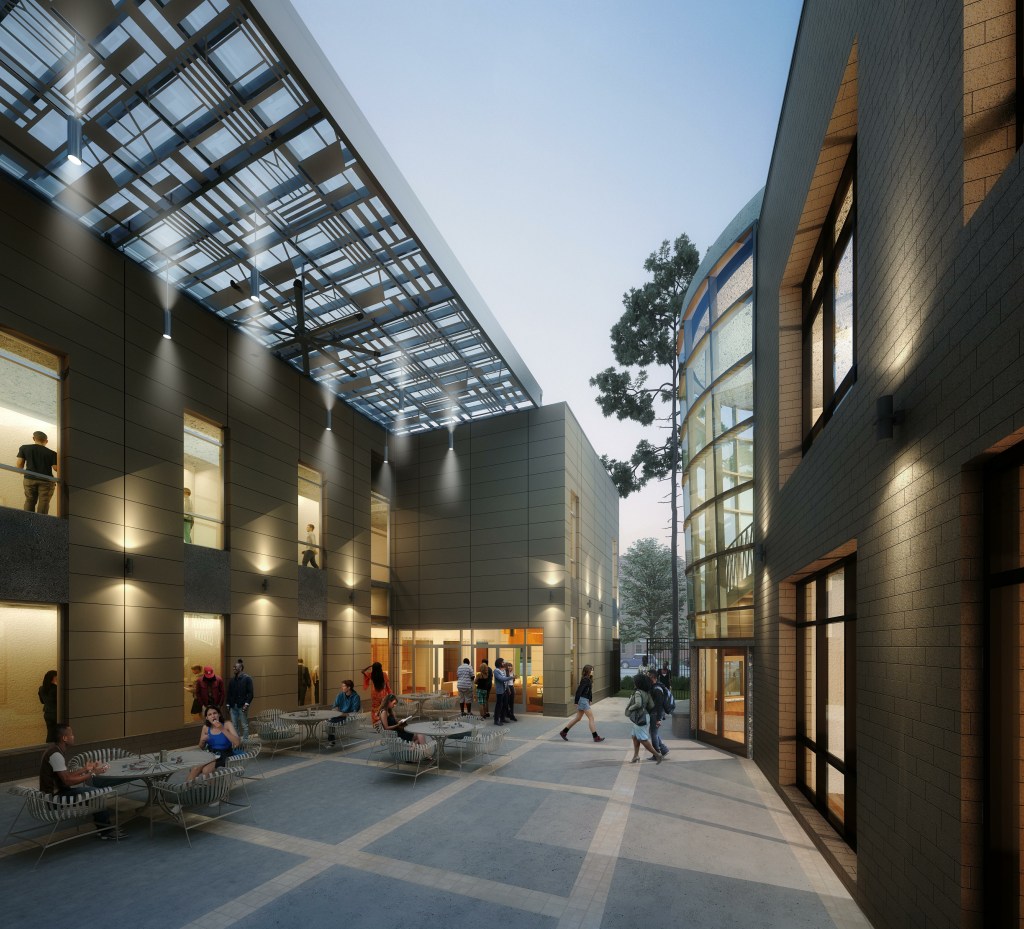
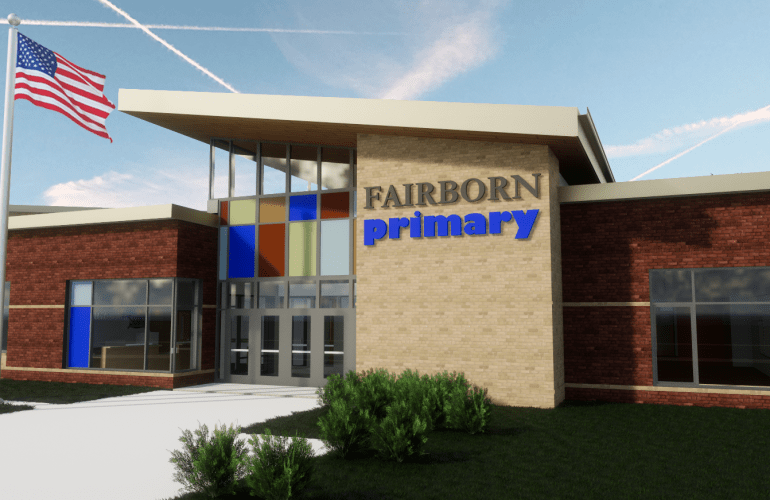
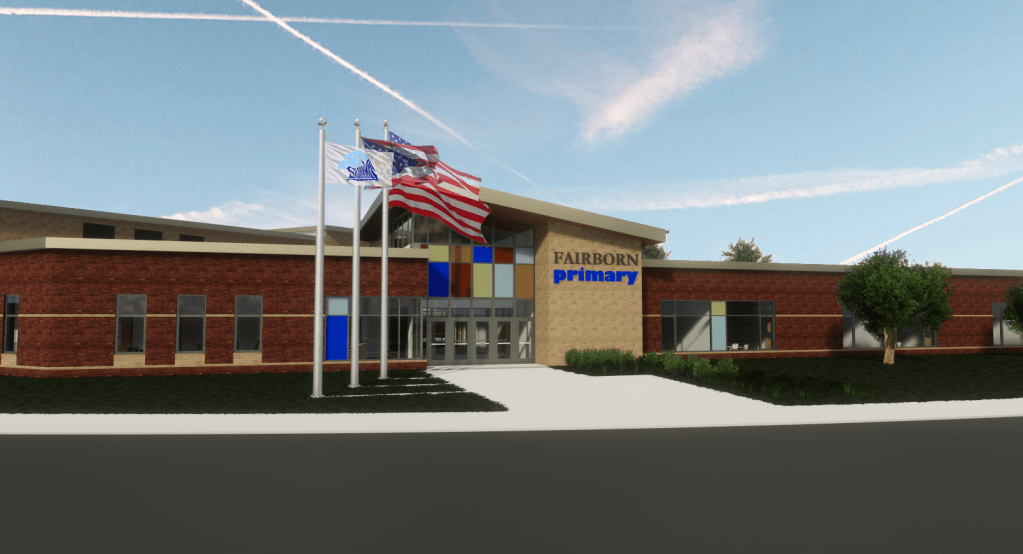
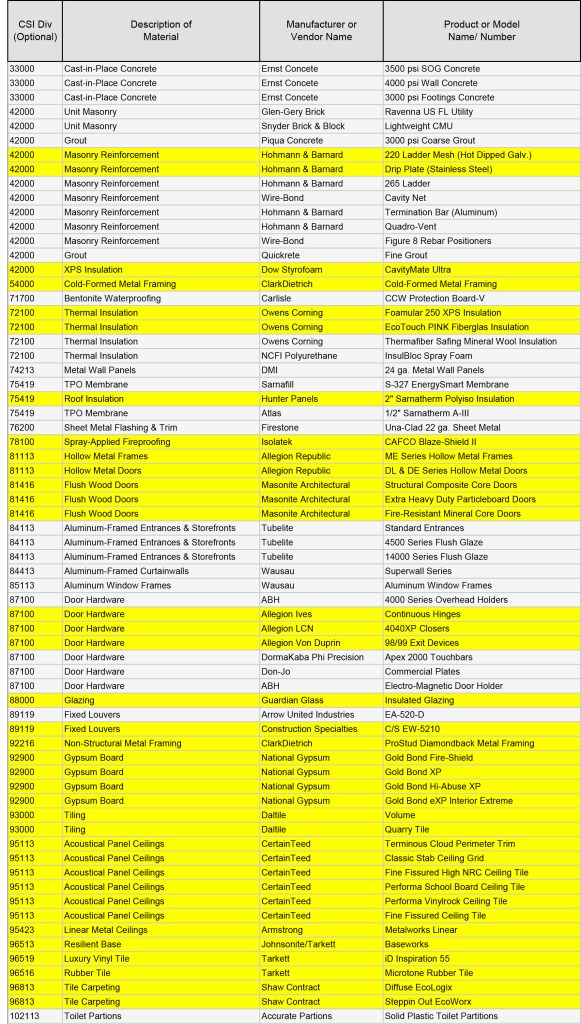
The project in this example, Fairborn PK-2, is wrapping up construction in early summer 2020. EA Energy Solutions has been proud to support Monarch Construction on this project, our third with them. A fun bonus for me is that this project was designed by SHP, my old firm. As you can see by the renderings above, they did a great job! I think it’s important to note that the team did not begin the project with the intent to incorporate any v4 credits. In fact, as LEED v2009 schools go, everything about documenting this project’s construction credits was pretty routine. I spent most of 2019 deep into v4 materials research, so whenever I was reviewing submittals for Fairborn, I took comfort knowing I would be hunting down minimal emissions testing paperwork. I also could not help but notice how many of the products showing up in Fairborn submittals were the same ones I had been collecting EPD’s, HPD’s, Declare Labels, etc. all year long. Once I finished populating the v2009 Excel calculator, I was easily able to scan down the list of products and call out “That door hardware has an HPD,” “That ceiling tile has an EPD,” etc. I quickly was able to count what appeared to be 40+ products that would contribute to either the EPD credit, Materials Ingredients, or both. My first reaction: “We’re going to be just fine on OFCC v4 projects earning BPDO.” This was quickly followed by my second reaction: “Why shouldn’t Fairborn get credit for this?”
LEED has always allowed project teams to substitute more stringent credit requirements from more newer versions of the rating system. But for our team, there wasn’t any upside to upgrading from v2009 Recycled Content, Regional Materials, etc. We were poised to score really well on the existing credits, and the net amount of LEED points available would not increase. All that would accomplish is to subject the team to more stringent requirements for the same amount of points. But why should we have to substitute? When v4 was released, the previous Materials & Resources credits underwent a substantial overhaul, perhaps one of the most dramatic across the entire rating system. Most of the old credits were reconstituted into Sourcing of Raw Materials, and the EPD and Materials Ingredients credits were newly introduced. Our logic was simple: “If a v2009 project were able to achieve a base v4 point whose concepts were not part of v2009, shouldn’t that count as an Innovation in Design point?”

I was thrilled with the potential of this theory. If accepted, this would be a huge coup for my v2009 projects. If the theory panned out, this would be every bit as reliable as buying Green Power points, the kind of move that can achieve the crucial extra point or two that makes the difference between LEED Silver or LEED Gold. The next step in the experiment was to test this theory with USGBC/GBCI to find out if the logic would hold up under scrutiny. To accomplish this, I enlisted the help of Todd Hager, LEED Project Manager with OFCC. OFCC has strong ties to the Center for Green Schools, and I suspected that our proposed strategy would find favor with them. The hunch was correct, and technical team at USGBC provided us with the following guidance to formalize the use of v4.1 BPDO on v2009 projects:

“THE OTHER OPTION IS TO TRY OUT THE V4.1 REQUIREMENTS AND SUBMIT AS A NEW INNOVATION CREDIT. OUR STAFF WOULD ACTUALLY PREFER THIS OPTION BECAUSE WE ARE TRYING TO GET AS MUCH FEEDBACK AS POSSIBLE ABOUT HOW THESE NEWLY-WRITTEN V4.1 MATERIALS CREDITS ARE WORKING FOR USERS OF LEED.

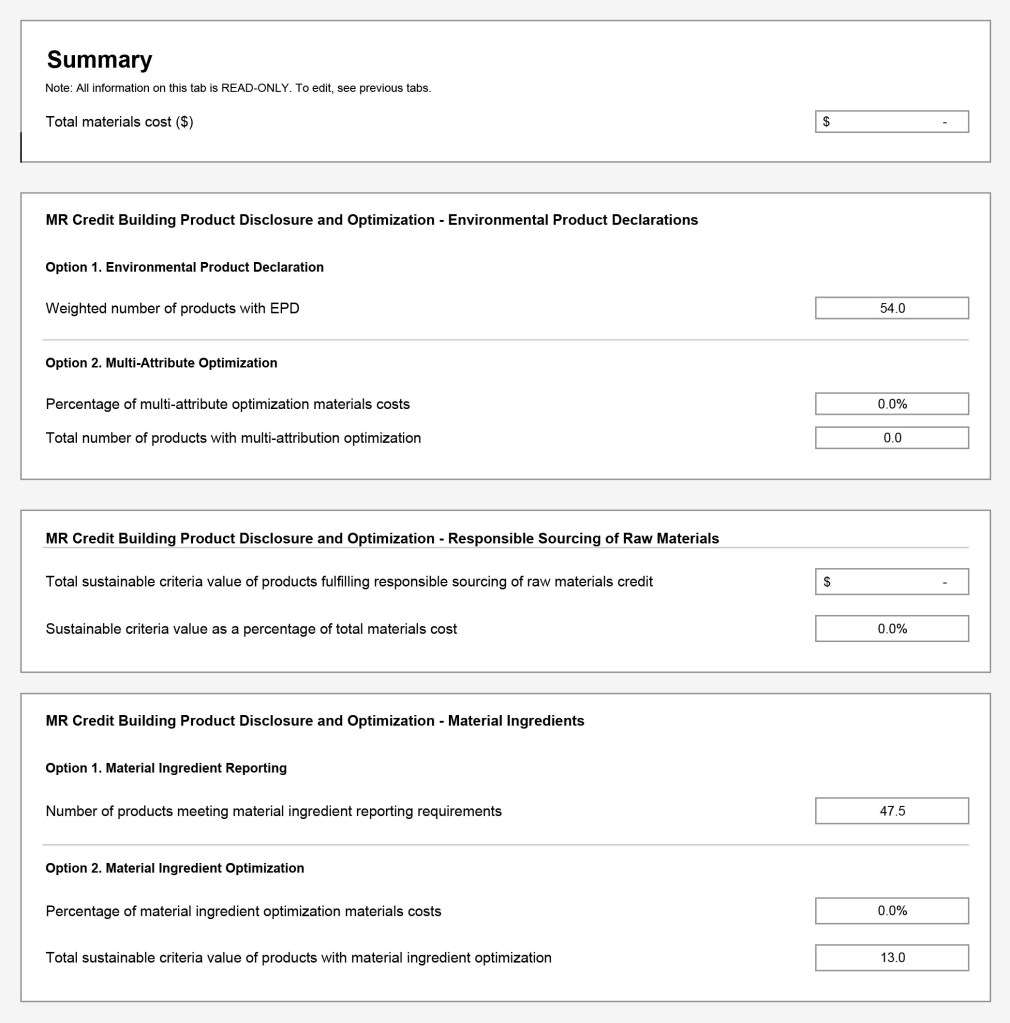
This was exactly the answer I was hoping for! I promptly began the work of inputting materials into v4.1 BPDO calculator. I’m a major proponent of stockpiling LEED documents with the goal of creating an organized library. Due to the volume of LEED submittals I review, I was able to amass a substantial library in a year’s time. The aim of creating this library is to have the ability to efficiently find and pull a given product’s BPDO & Low-Emitting materials documents once that product has been identified via submittal review. In this case, because I had already identified all the products for the original v2009 credits, all I had to do now scroll through the library and pluck the docs I needed. Before l had finished my morning coffee, we were able to round up enough to earn exemplary performance in both EPD Option 1 and Materials Ingredients Option 1. As a kicker, we even had enough products with Cradle2Cradle certificates, etc. to qualify for Materials Ingredients Option 2! The below screenshot from the v4.1 BPDO calculator outlines our results:
Based on these early successful outcomes, I immediately moved to begin adopting this approach on all of my v2009 projects, including the OFCC co-funded Thomas Ewing and General Sherman Junior High Schools in Lancaster, Greenon PK-12, Waynesville Elementary School. In the case of the Ohio Stadium Upgrades, there’s a high probability these points actually will make the difference between LEED Gold and LEED Silver. A slew of these projects will go through the Construction Preliminary Review by GBCI in the near future, so watch for additional posts with a significant sample size of results!
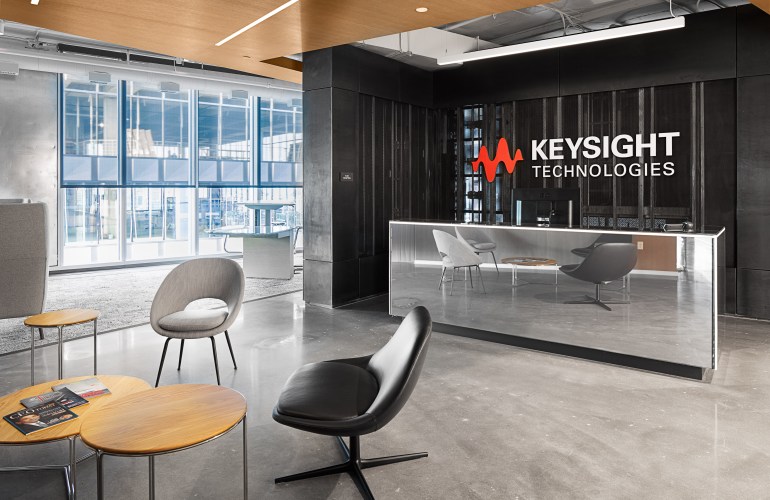
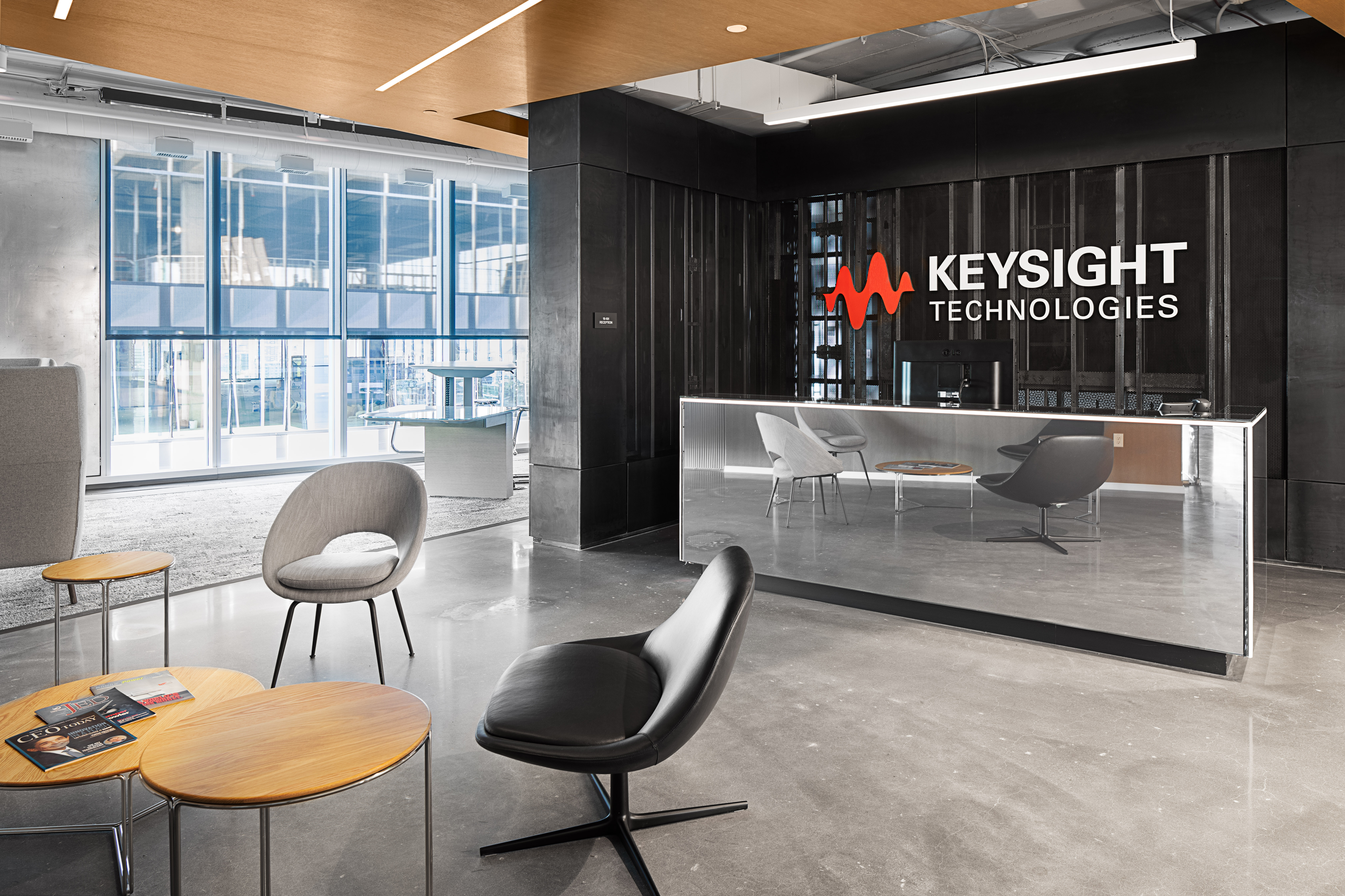
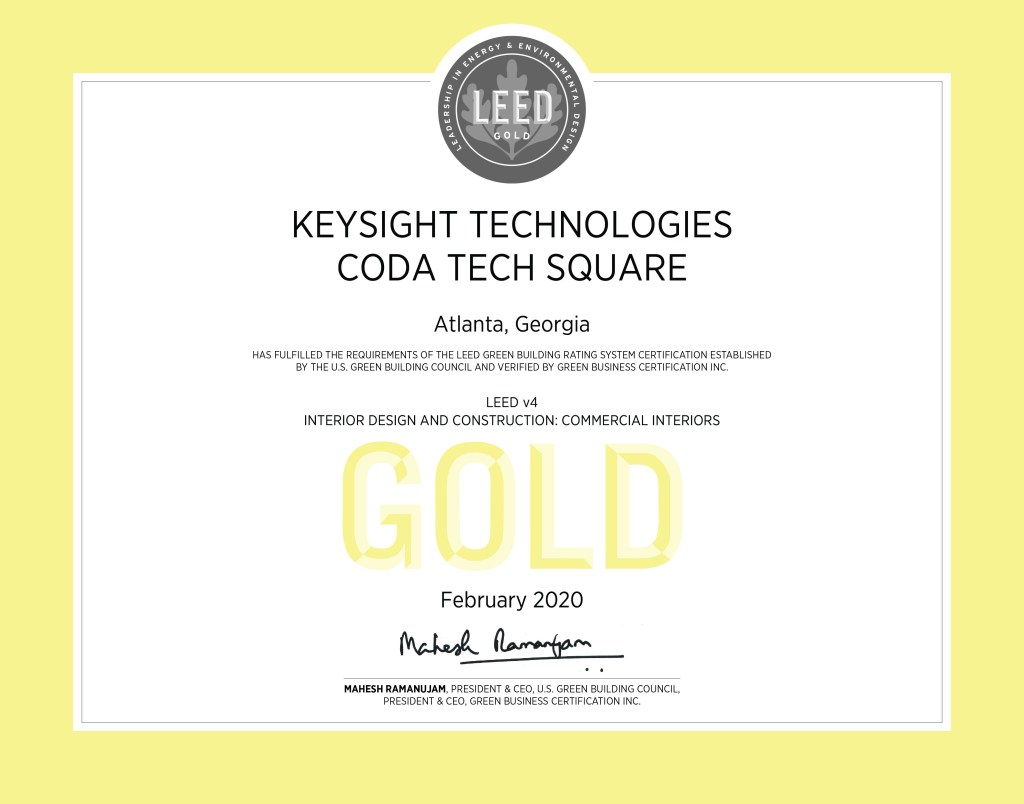
Atlanta Keysight Technologies Office at Coda Tech Square Earns LEED Gold

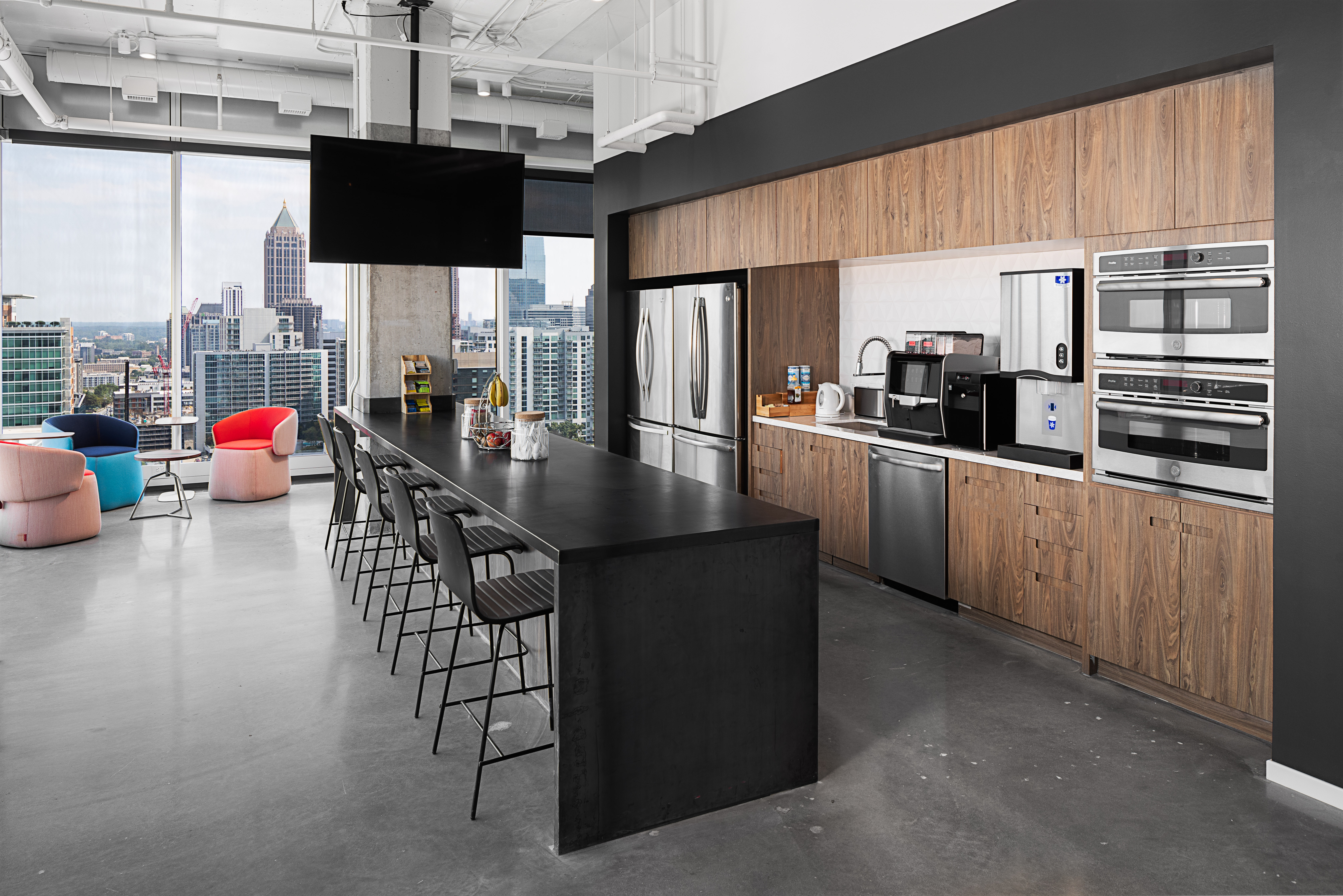
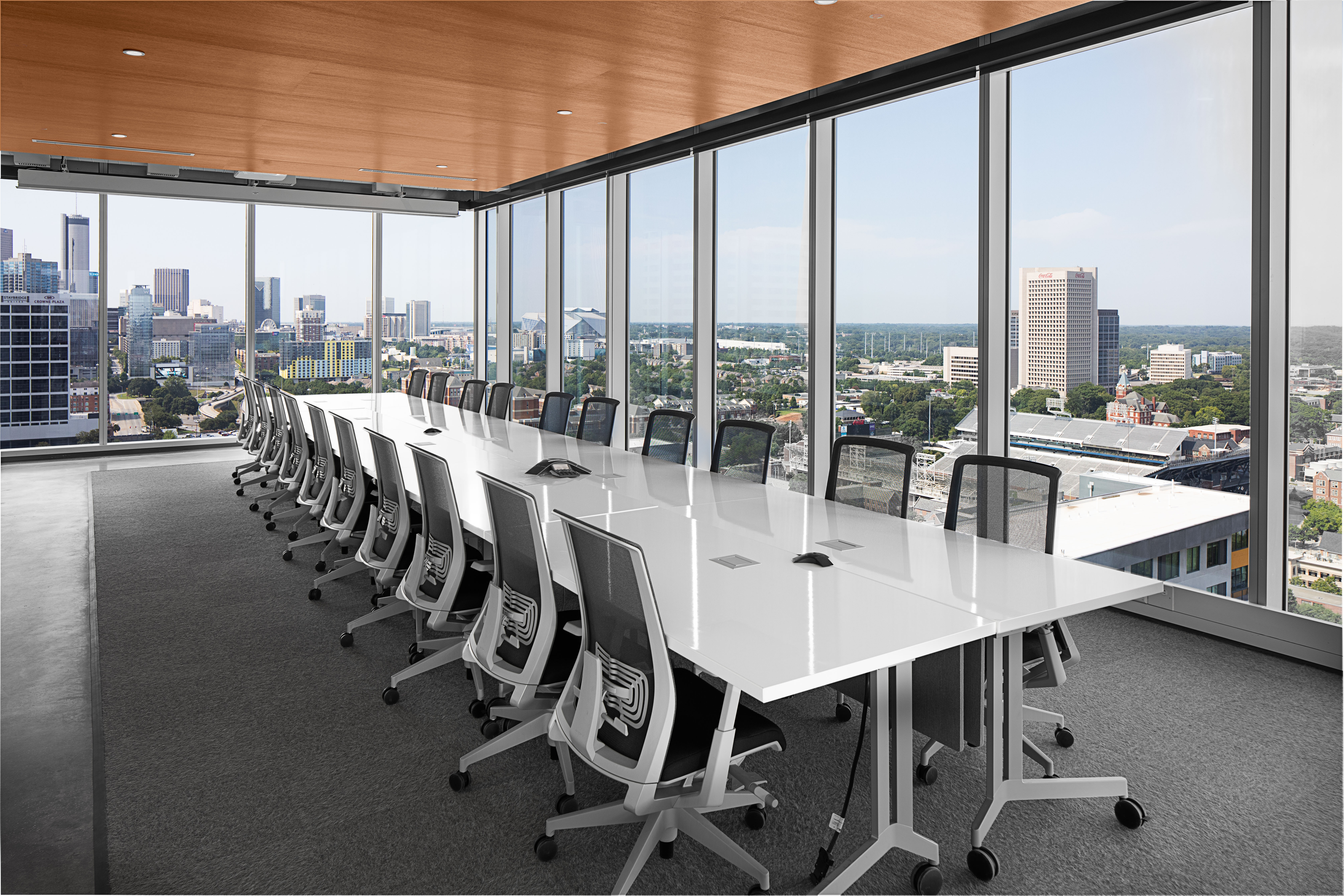
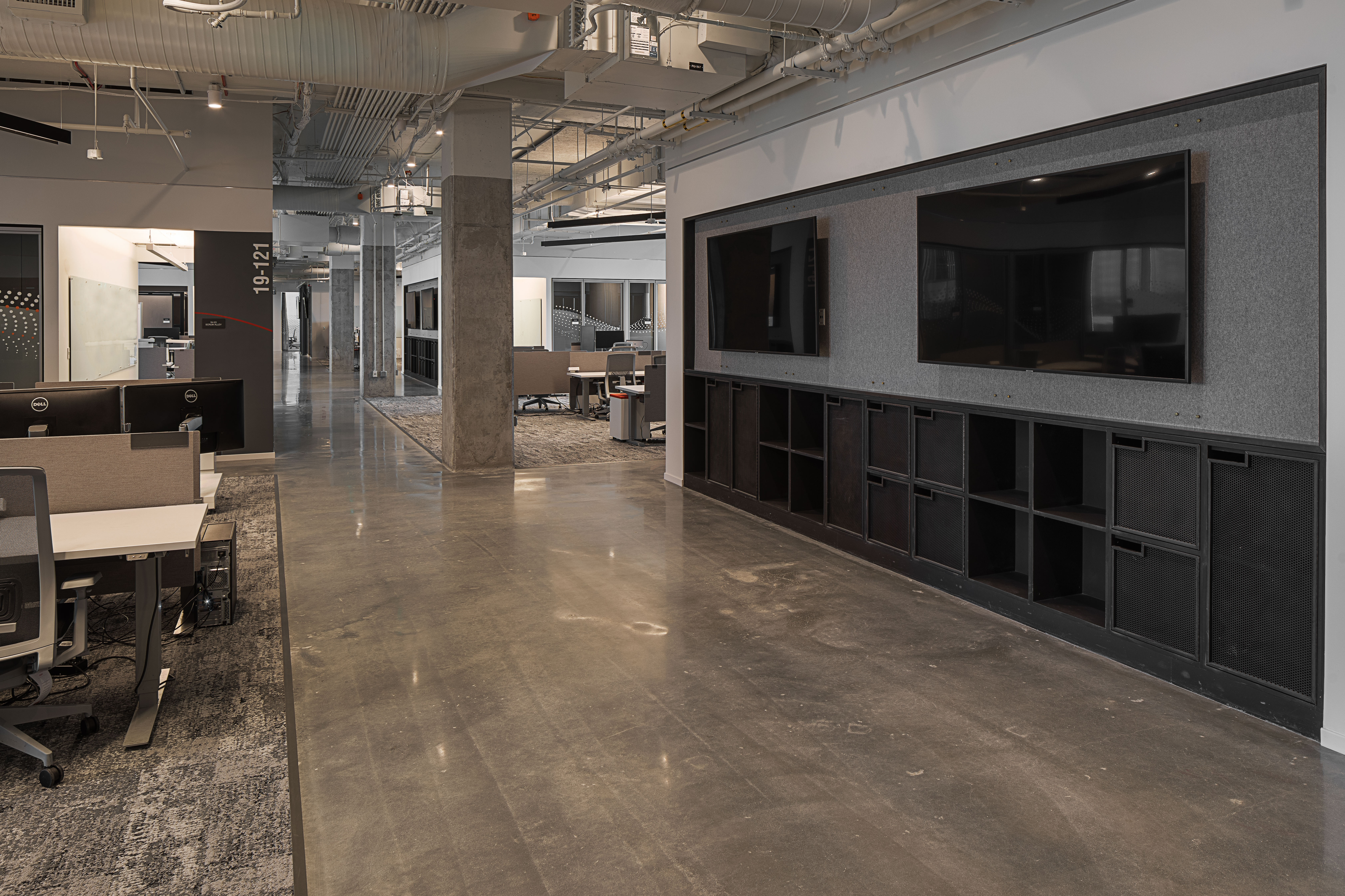
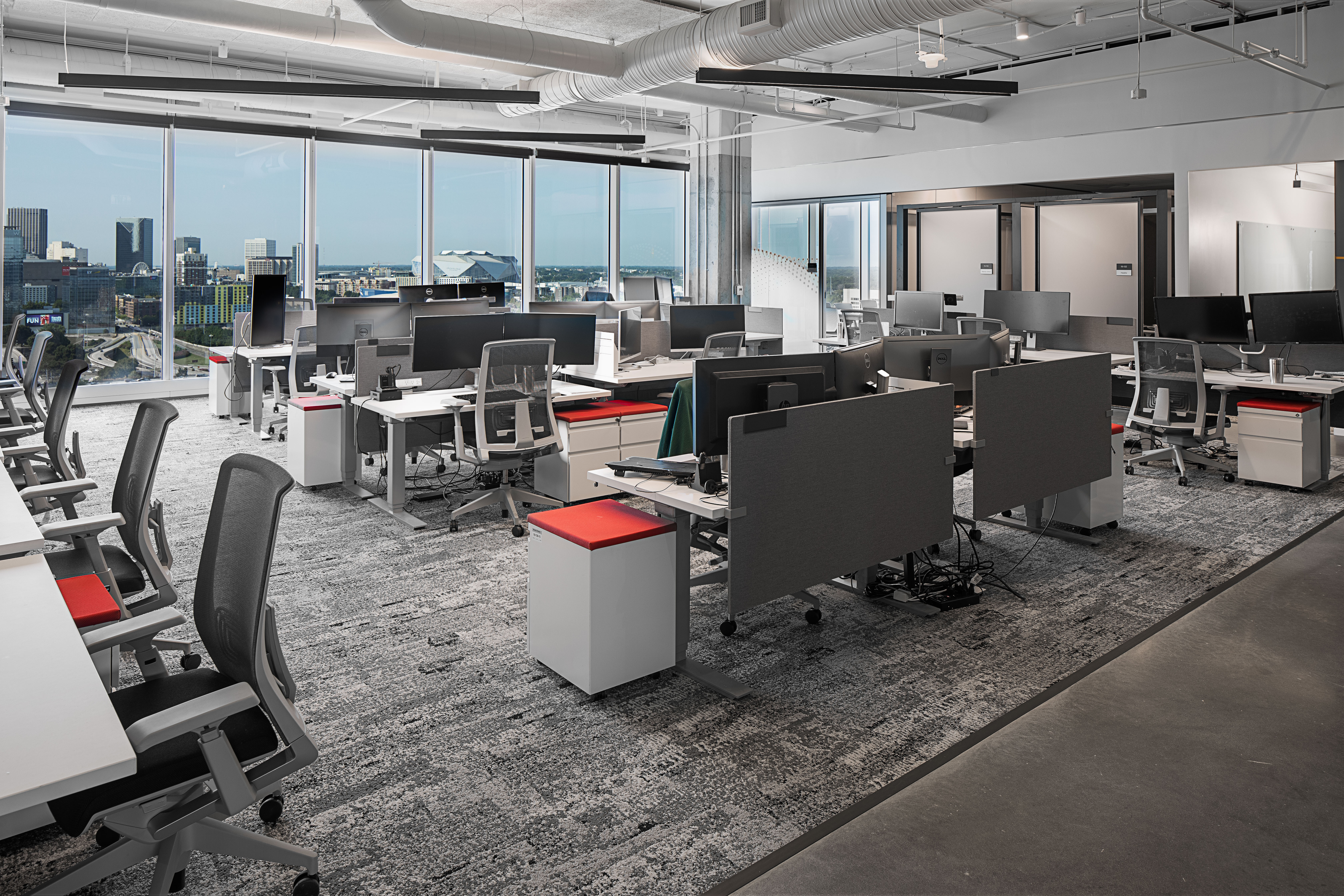
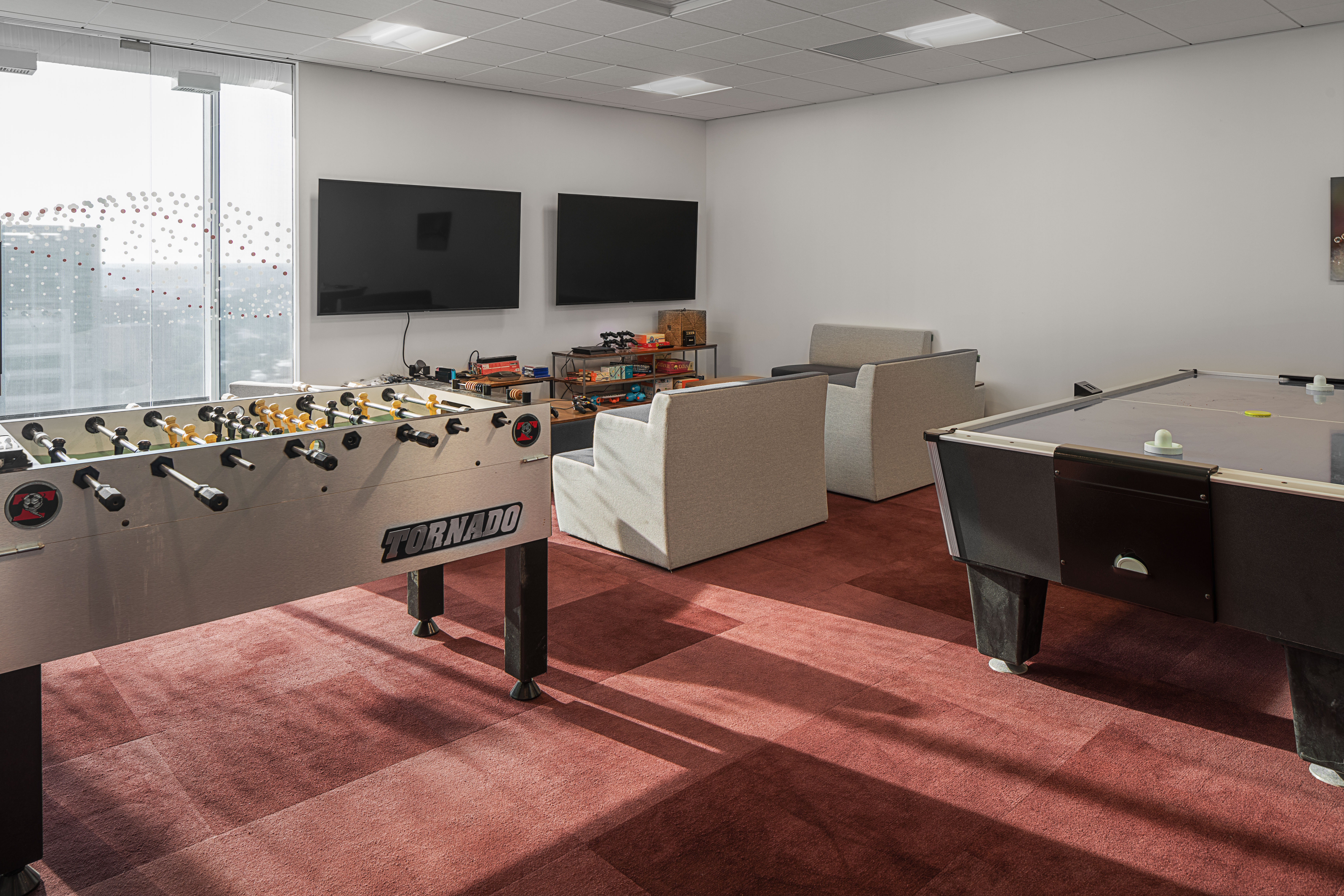
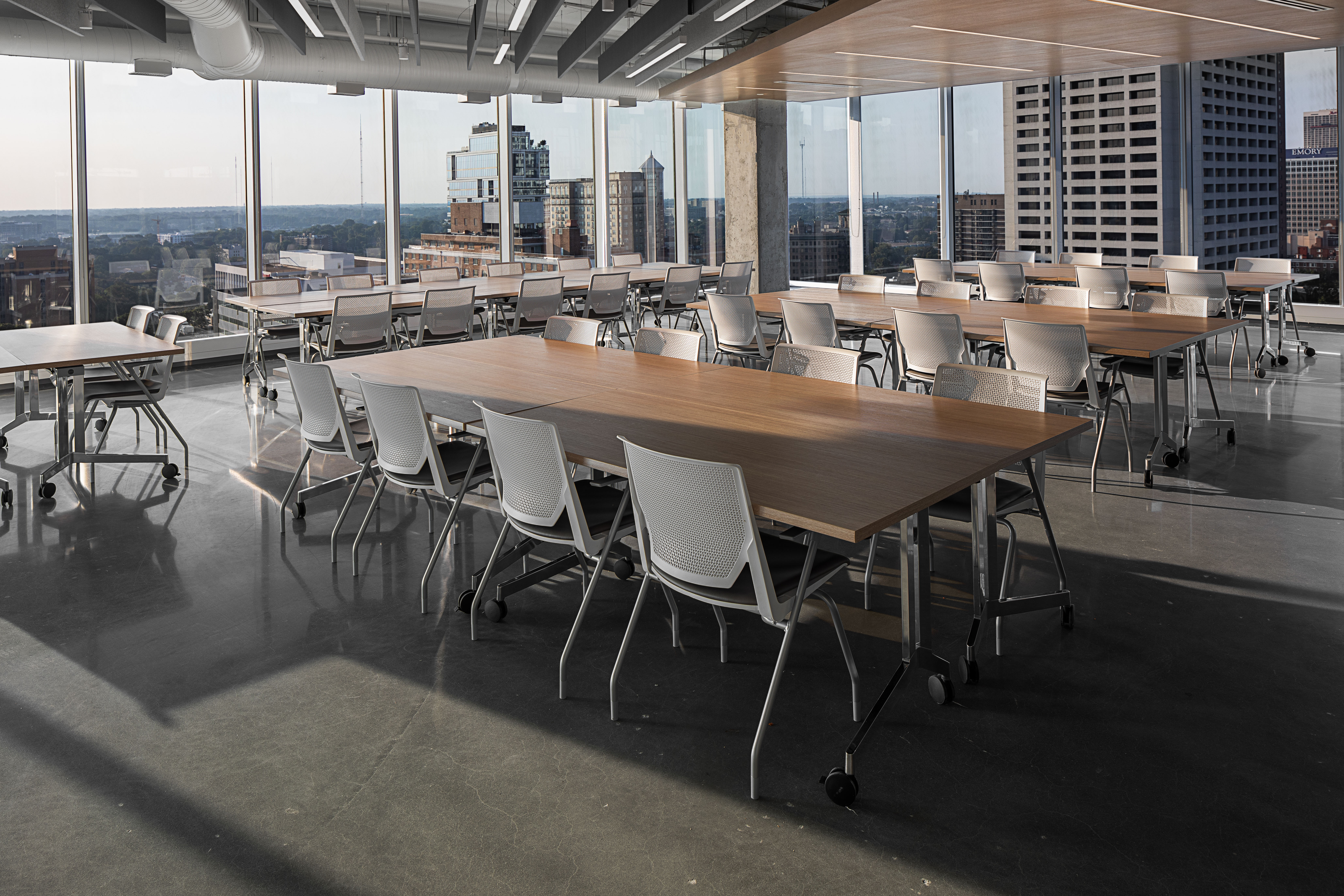
While working on this project throughout 2019, I especially enjoyed the novelty of both an ID+C project and a return to documenting design credits. As I continue to write about more of my current projects, you’ll see that a huge percentage of them are supporting construction teams. For many years, this resulted in a narrower focus on a smaller group of LEED credits. The first several dozen LEED projects at SHP that I worked on, the total opposite was true. I spent most of my efforts documenting design credits and only would document the construction credits out of necessity to keep projects moving towards certification. Although my LEED experience in previous versions is extensive, the Keysight Technologies office my first v4 journey and certification. Merely a year later, and I’m deeply immersed in nearly two dozen!

Keysight Technologies chose a particularly interesting building as the home for their new office, the Coda at Tech Square facility in midtown Atlanta, Georgia. This brand new 21-story, 690,000 square foot mid-rise certainly made sustainable design a high priority, setting and meeting an ambitious target of LEED Platinum (v3).

How to Earn Exemplary Performance in BPDO – Materials Ingredients: Option I

I was fortunate to be able to attend Greenbuild 2019 in Atlanta, Georgia last week. I went down with a mission, and as a result, I laser focused nearly all of my education sessions on one of three topics: Whole Building Life Cycle Assessments & Software, Embodied Carbon, & diving even deeper into advanced LEED Materials credits (New v4.1 BPDO Option 2’s for example). While there, I was involved in a lot of discussion regarding v4 & v4.1 BPDO and Low-Emitting Materials with green building professionals from around the country. When I shared a positive experience with Exemplary Performance I had with Materials Ingredients on a recent project, there were many more surprised faces then I would have expected. The process I used to do this was very straightforward and easily replicated. To that end, I wanted to share it here so that other projects are able to duplicate this result and dispel any notions that BPDO -Materials Ingredients Option 1 is anything but readily achievable across almost or all LEED projects. Exemplary Performance may be even easier then thought as well.

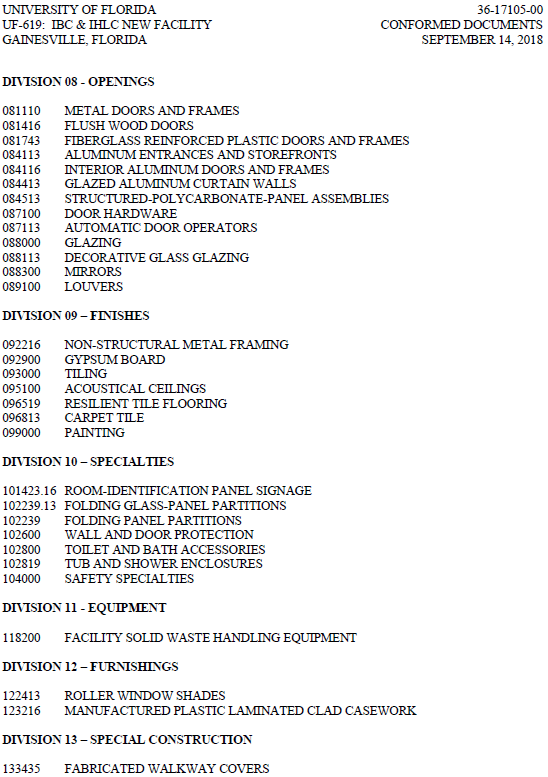
Before I jump into the process, I want to provide some background information on these particular projects and ecoPreserve’s role in them. These points are significant because I think they underscore why these results can be replicated by other project teams. The projects are the Institute for Black Culture and Institute for Hispanic-Latino Cultures at the University of Florida. These facilities, 2019 ULI North Florida Awards Finalists, were designed by DLR Group and built by Foresight Construction Group, respectively. Collectively, they’re approximately 13,000 total sf, and while they’re exceptional buildings built for an exceptional purpose, they are built with conventional construction materials commonly found in most commercial construction projects (see below). ecoPreserve joined Foresight’s team towards the end of construction and our role was simply to assemble the LEED documentation from construction submittals. All of the credit for material selection and procurement that made this exemplary performance even possible goes to DLR Group and Foresight.

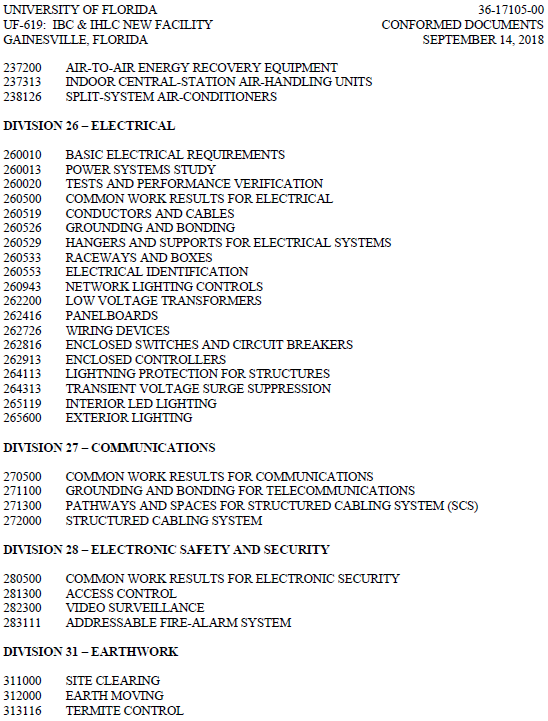
Our process to achieve this credit began pretty simply: An exhaustive review of all of Foresight’s submittals to determine what materials were procured within each specification section. This process was aided considerably by Foresight’s adoption of the Procore project management software. The ecoPreserve team, comprised of Jessica Wright, Oscar Vargas, and myself divided up the spec book and began compiling a list of all the materials and manufacturers. It’s important to note here that if you dive into submittals with the expectation that you’ll come up with 20 or 40 HPD’s with no additional research, you’re in for a disappointment. The primary objective of the initial submittal review is to determine what the subcontractors bought. If you can figure out what exact make and model of the materials that were bought first and foremost, you can Google your way to the rest. This whole process is also easier if you name, organize, and stockpile this information while you collect it, so you can reuse on the next project. After a few projects, you can collect a pretty robust library of many of the “usual suspects” materials seen over and over again. You also learn of many materials categories that are an abundance of HPD’s and other equivalent documentation. The overwhelming majority of contributing products will be found within Division 09 submittals. In our example, Finishes represented 21 of the products where we discovered Materials Ingredients documentation, so 100% of what we needed to earn our first Option 1 point. However, if you were to focus solely on Finishes, I can tell you with absolute certainty that MI opportunities are being left on the table. For example, as noted here by GreenBadger, Door Hardware can often account for a significant percentage of the 20 product or 40 product target thresholds. In our particular example, door hardware accounted for 4 of our Materials Ingredients products (and 6 EPD’s as well). Our full list of contributing products (and their divisions) are listed below:

Spec SectionManufacturerProductDocument Type
054000ClarkDietrichCold-Formed Metal FramingHPD
071700CetcoVoltex Bentonite Geotextile HPD
071700 Cetco Aquadrain 15X HPD
071700 Cetco Bentoseal HPD
072100Johns ManvilleFormadehyde Free Fiberglass InsulationHPD
074646DuPontStyrofoam Ultra SL XPS InsultationMaunfacturer Inventory
081110Ceco/Assa AbloySeries SU Hollow Metal FramesHPD*
081110Ceco/Assa AbloyRegent Hollow Metal DoorsHPD
087100McKinney/Assa AbloyStandard Door HingeHPD
087100Rockwood/Assa AbloyK1050 KickplateHPD
092216ClarkDietrichProStud Non-Structural Metal FramingHPD
092900National GypsumGold Bond Fire Shield Shaftliner Gypsum BoardHPD
092900National GypsumGold Bond Fire Shield Gypsum BoardHPD
092900National GypsumPermaBase Gypsum BoardHPD
092900National GypsumGold Bond eXP Tile Backer Gypsum BoardHPD
092900National GypsumProForm XP Lite Joint CompoundHPD
093000DaltileAnnapolis Sail TileHPD
093000 DaltileJewel Tide TileHPD
093000 DailtileRittenhouse Arctic White TileHPD
093000 MAPEIUltraflex LFT MortarManufacturer Inventory*
093000 MAPEIAquadefense Crack Isolation Membrane Manufacturer Inventory*
093000 MAPEIKerapoxy Epoxy Grout Manufacturer Inventory*
093000 MAPEIECO 575 AdhesiveManufacturer Inventory*
096813InterfaceSummerhouse Shade Carpet TileHPD
096813InterfaceInterface French Seams Carpet TileHPD
096813Mohawk GroupStep in Style II Carpet TileDeclare
099000Sherwin WilliamsProMar 200 Interior Latex FlatUL Product Lens*
099000 Sherwin Williams ProMar 200 Interior Latex Semi-Gloss UL Product Lens*
099000 Sherwin Williams PrepRite Latex Block Filler UL Product Lens*
099000 Sherwin Williams Loxon Masonry Primer/Surfacer UL Product Lens*
099000 Sherwin Williams Pro Industrial DTM Primer/Finish UL Product Lens*
123216FormicaCompact LaminateHPD
123216FormicaHigh Pressure LaminateHPD
142400ThyssenKruppCreate a Cab Elevator CabCradle2Cradle*
142400 ThyssenKrupp Elevators Doors & EntrancesCradle2Cradle*
220700KnaufEarthwool 1000 Pipe InsulationDeclare
230713KnaufAtmosphere Duct WrapHPD
230716KnaufDuct Insulation BoardDeclare

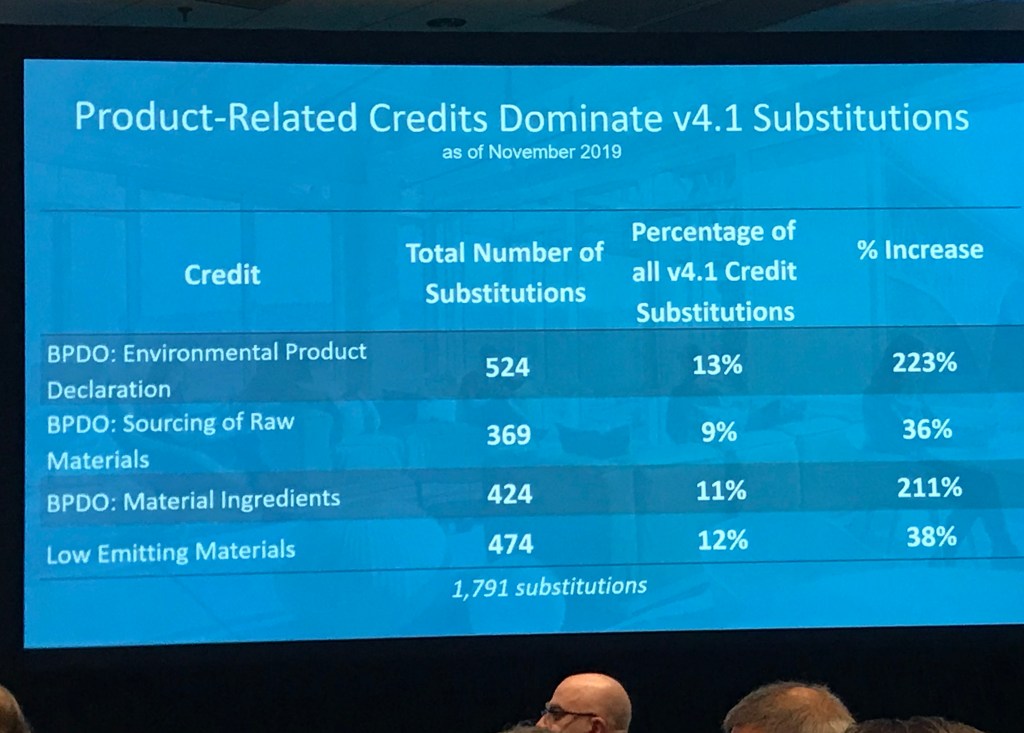
If you’re playing along at home, you have likely noticed two things: Some of the documents we’ve gathered have asterisks (*) next to them, and there are only 38 products listed here, as opposed to the 40 products needed to earn the Exemplary Performance point. This is the point where our plot twist is introduced: We’re upgrading to LEED v4.1! While version v4.1 is in beta, project teams have the ability to selectively substitute v4.1 credit requirements in where it is advantageous to their project. For some credits, including BPDO, I highly recommend making this switch, and in a minute, you’ll see why. At the same Greenbuild session I attended, USGBC provided some data on which credits they have seen projects upgrading most often:

As you can see above, this credit represents 11% of all LEED v4.1 substitutions made to date, now let’s see how it impacts our project. One of the big changes to the credit requirements, as outlined here by LEEDuser.com, “Any compliant reports above with third-party verification that includes the verification of content inventory are worth 1.5 products for credit achievement calculations.” Remember all of our document types in the above table with the asterisks? Those 12 documents are now all worth 1.5 each instead of 1. Our 38 (38 x 1) has now become 44 (38 – 12 = 26. (26 x 1) + (12 x 1.5) or 26 + 18 = 44). These 12 documents, UL Product Lens, Cradle2Cradle, a 3rd Party Verified HPD, etc. have put us over the top, and we’ve exceeded the threshold of 40 products across 5 manufacturers to achieve Exemplary Performance!

To summarize, the main theme here is to emphasize that these points are readily achievable. We didn’t have an elaborate process to maximize the number of products that complied during procurement, we didn’t reinvent the wheel to exceed 40 products. It wasn’t rocket science or a magic trick either. The real trick to getting these points for the owner, the facilities, and our other project teams members really came down to just a simple exercise of exhaustive due diligence!

Ohio State University Schottenstein Center North Addition Earns LEED Silver

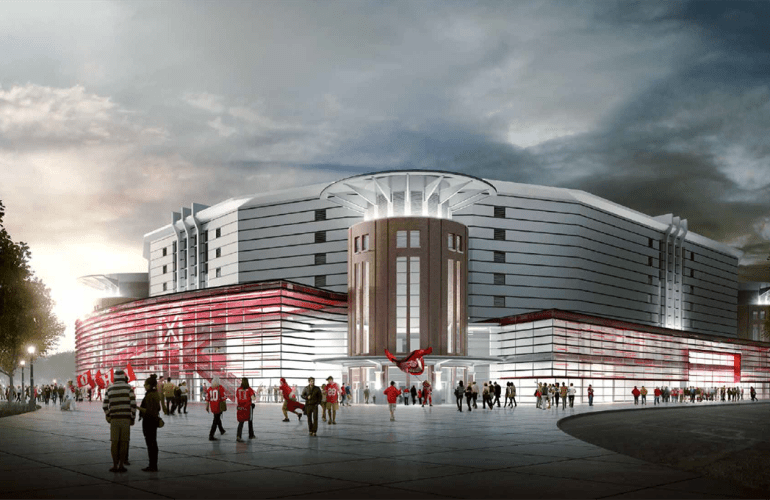
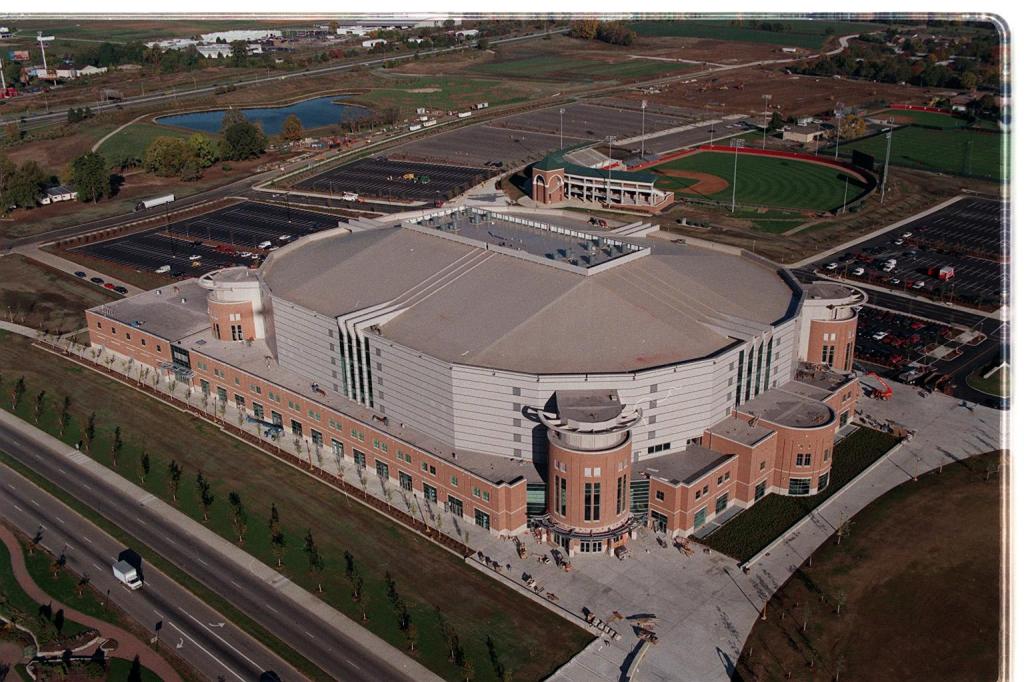
Just in time for the start of basketball season, I’m excited to announce another of my projects achieving LEED Silver certification!  This project, the North Addition to the Schottenstein Center at The Ohio State University, is particularly exciting for me as a Columbus native and former OSU student.  The Schottenstein Center achieved LEED Silver under LEED BD+C New Construction 2009.  This is an EA Energy Solutions project where I supported both the architect, NBBJ, and the construction manager, Barton Malow Company, both of whom were great to work with.  Kudos also to Osborn Engineering, who did a wonderful job successfully documenting LEED credits that had unique applications in this particular project, a relatively small addition to a large existing facility.

The Schottenstein Center hosts home games for The Ohio State University men’s & women’s basketball programs, in addition to a multitude of other events, from Disney’s Frozen on Ice, concerts, and monster truck rallies.  The addition will serve as new offices for both the Ohio State University basketball teams, as well as an upgraded ticket office, team shop, and concessions areas designed to enhance the fan experience.  Major upgrades were made to the concourses as well, but for purposes of LEED certification, those improvements are not included within the LEED boundary.  The new facilities received both rave reviews and national attention, as demonstrated here by USA Today.  You can get a glimpse of the finished facility as seen in this university video:

Besides the impressive aesthetics, the addition was able to achieve an indoor water use reduction of over 40% and an energy use reduction of over 24%.  The water calculation process was especially interesting because one of the primary group restrooms used for events did fall within our LEED boundary, and event usage had to be accounted for.  Annual attendance for a wide variety of event types had to be calculated, but the talented individuals at Osborn nailed it, and the credit/prerequisite combo documentation held up very well during review by GBCI.  I’m a strong believer that these highly efficient plumbing fixtures are more crucial here than many other places with similarly efficient fixtures, simply because of the large number of people that will use them.  This will ultimately result in a dramatic number of gallons saved, both right away and over the life of the building.

Columbus Dispatch Photo Gallery

On the construction side, Barton Malow and their subcontractors did a great job utilizing recycled content and regional materials.  We documented a minimum of 22.45% (by cost) of the construction materials were manufactured from recycled content and 41.27% (by cost) were manufactured regionally.  They also satisfied all LEED requirements for low-emitting adhesives, sealants, paints, coatings, flooring, and composite wood.  Finally, they were able to achieve an 82% diversion rate for construction waste.  This great outcome is further enhanced by Ohio State’s famous long-standing commitment to minimizing waste at events throughout the life cycle of the facility.

Congratulations to Ohio State University and the entire project team, both design and construction, on a job well done.  This is certainly a LEED project I will always remember fondly and will remain proud to be a part of!